Case study area profiles:
Antwerp – Athens – Budapest – Copenhagen – Istanbul – Leipzig – London – Milan – Paris – Rotterdam – Tallinn – Toronto – Warsaw – Zurich
WARSAW
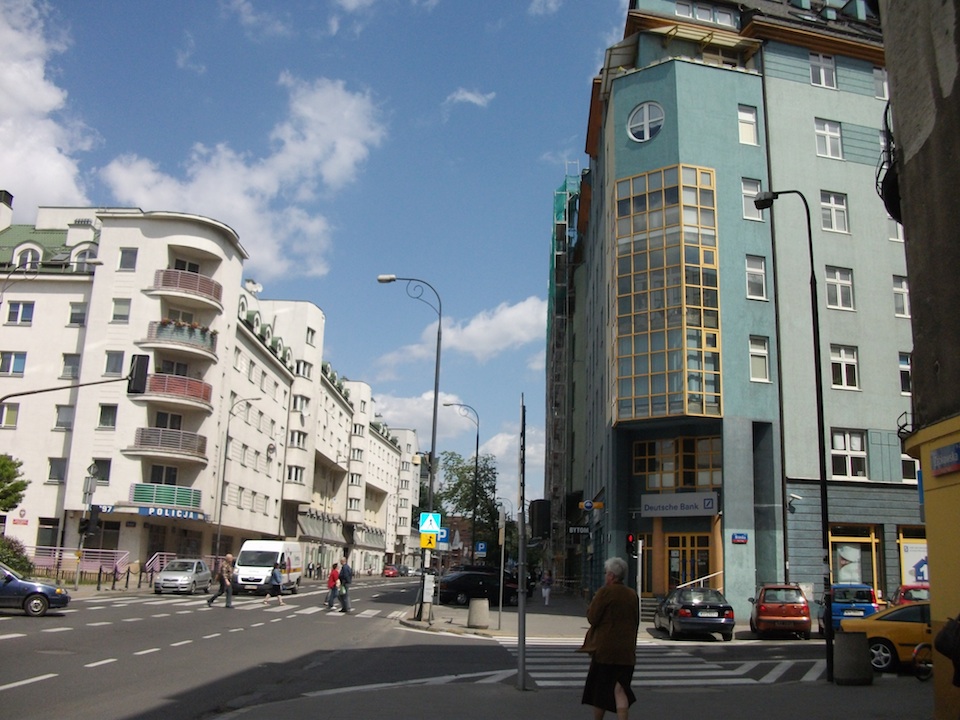
Warsaw is the largest city in Poland, both in terms of surface area and population size. As the state capital it performs important political, administrative, cultural and economic functions. Warsaw constitutes a major concentration of domestic, as well as foreign capital investment. It is a well-developed centre with advanced services and the largest scientific and research center in Poland.
Warsaw hosts the largest number of higher education institutions in the country; in the academic year of 2010/2011 there were 77 of them. Of the total number of students in Poland, 15.2% study in Warsaw. According to the Warsaw Statistical Office in September 2012 there were 349,866 business entities (national economy units) registered in the city, which constitutes 50.7% of all economic entities in the Mazovia Province (Mazowsze voivodship).
Science, research and business sectors all contribute to the diversity of the city, with respect to inclusion and integration, as well as the overall diversification of the population. As a reflection of integration and social inclusion the growing shares of foreign students studying in Warsaw and of disabled students (respectively 2.3% and 1.2% in 2011) is noteworthy. Another characteristic feature is the growing awareness of diversity within the society which is stimulated by business institutions and NGOs.
Throughout its history, Warsaw has undergone various transitions in terms of its urban fabric, spatial structure and social composition. The once ethnically heterogeneous metropolis of the interwar period (1918-1939), and the ideologically Western-most eastern capital of the European communist bloc (1945-1989) has become the Eastern-most westernised capital city, the leader of the socio-economic transition and a dynamically developing, globalizing and, at the same time, diversifying city.
Warsaw is the habitat of both positively perceived diversification caused by a re-opening to the world, by the growth of population mobility and internationalisation of the economy, as well as of negatively associated diversity reflected in social stratification, spatial polarisation and emerging urban conflicts. The delayed and stepped-up modernisation of economy and society, the combination of traditional values and cosmopolitan flair, the echos of the past and its strongly future-orientated aspirations, have placed Warsaw among the most promising cities in East-Central Europe.
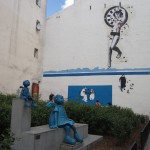
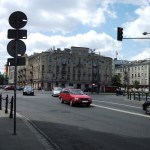
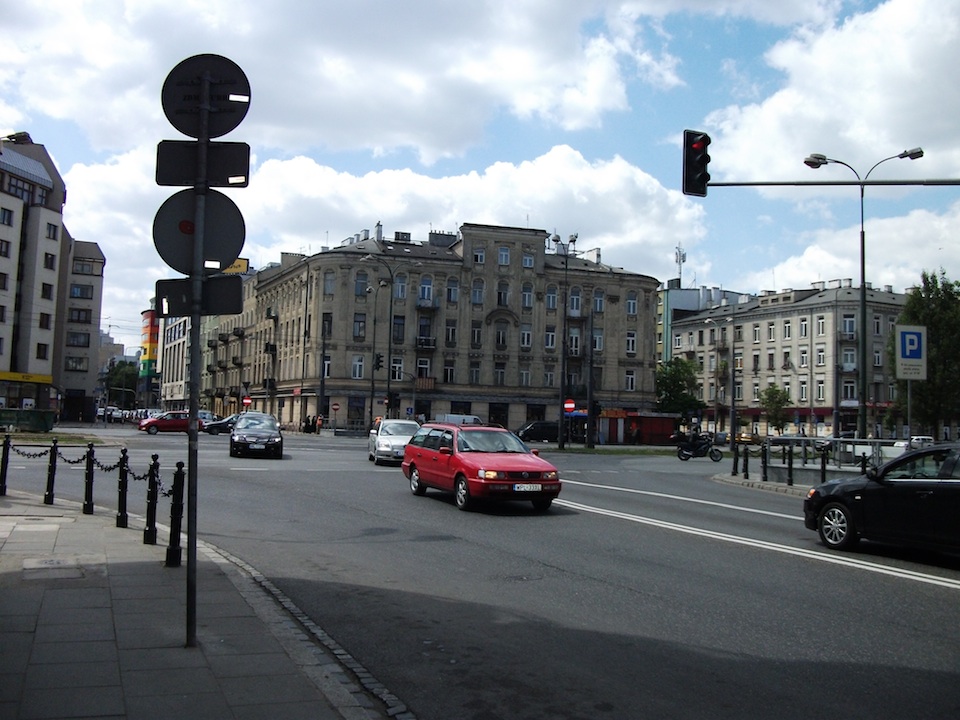
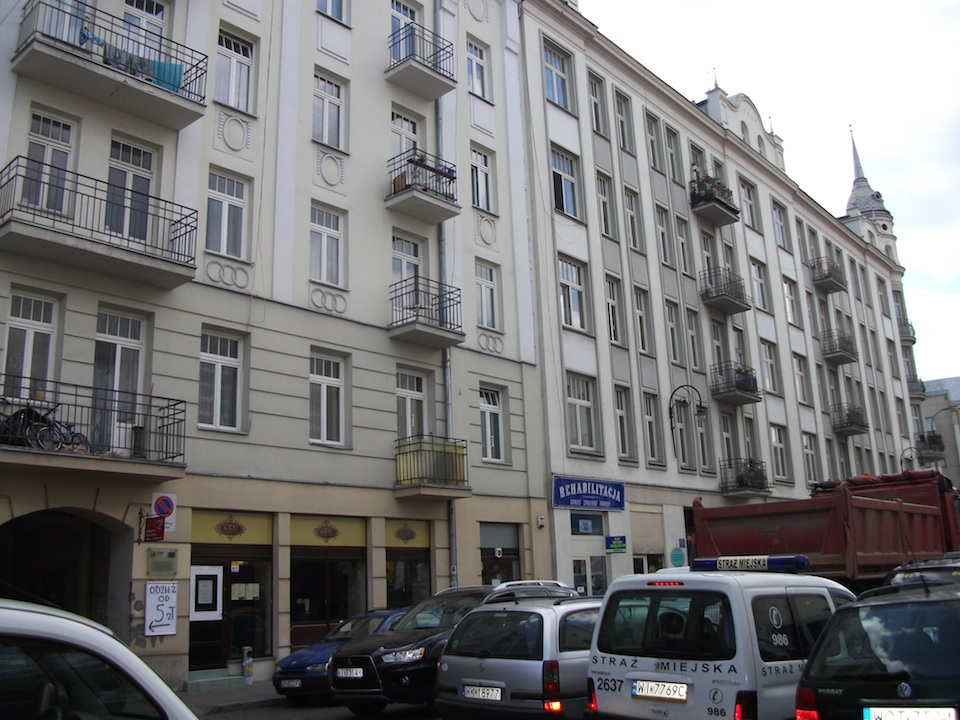
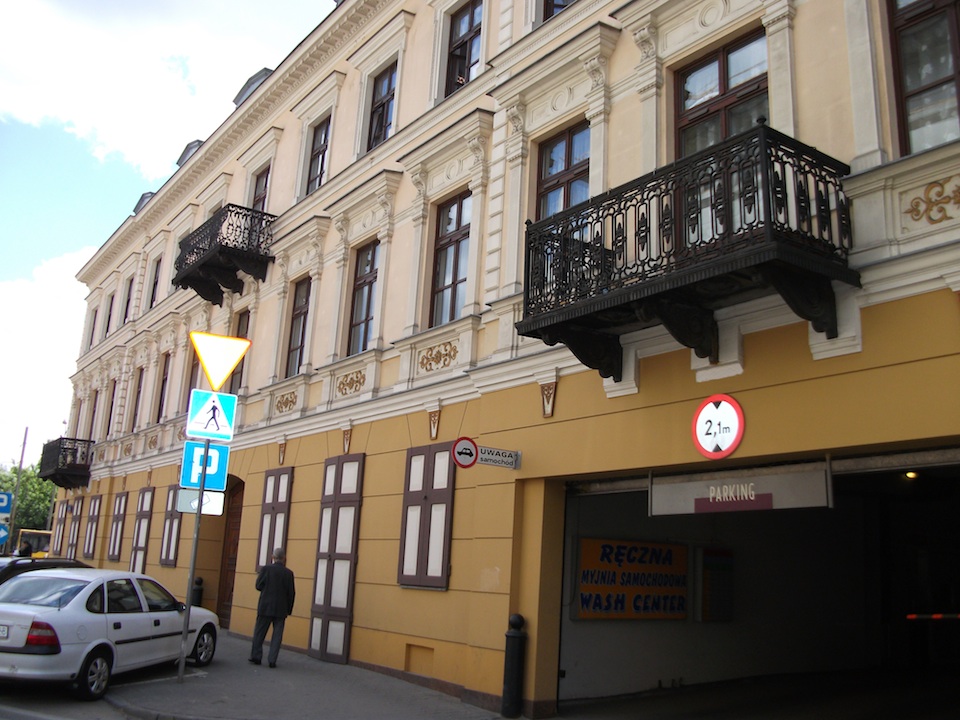
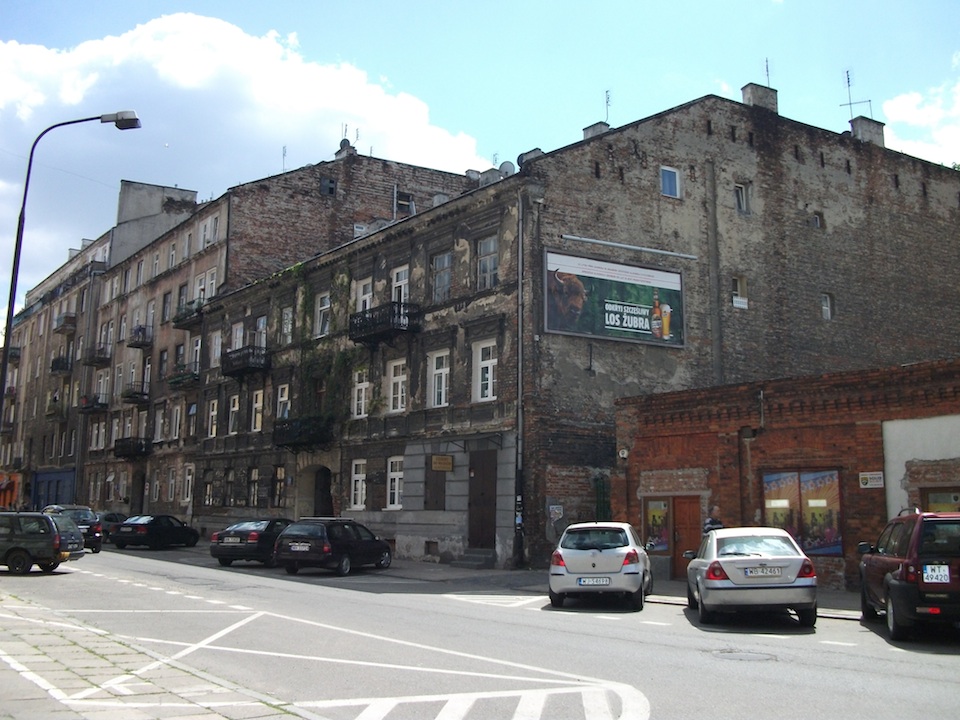
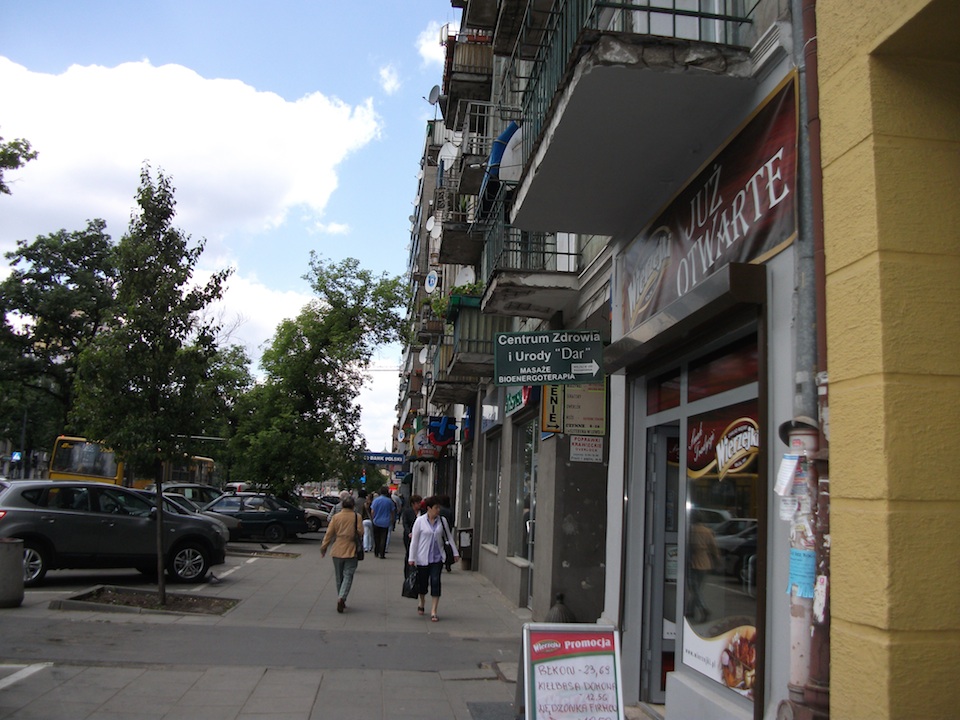
Praga Północ (Praga North) and Praga Południe (Praga South) are two adjacent districts of Vistula right-bank Warsaw. Together they constitute the nucleus of the so-called ‘old Praga’, with a considerable share of urban fabric which survived World War II destruction.
Praga Północ is one of the oldest districts of Warsaw and one of the few that have sustained its historical character. A considerable part of the area’s urban tissue was constructed at the turn of the 19th and 20th centuries, or in the interwar period. The district has maintained some of the so-called Warsaw folklore; a number of inhabitants still use the Warsaw dialect on an everyday basis. In the last decade the district has become a fashionable place and is exhibiting signs of gentrification, attracting the creative class and migrants searching for inspiration arising out of the local genius loci. At the same time, among the 18 Warsaw districts, Praga Północ has the largest number of unemployed (per 1000 inhabitants) and the highest share of population receiving welfare benefits.
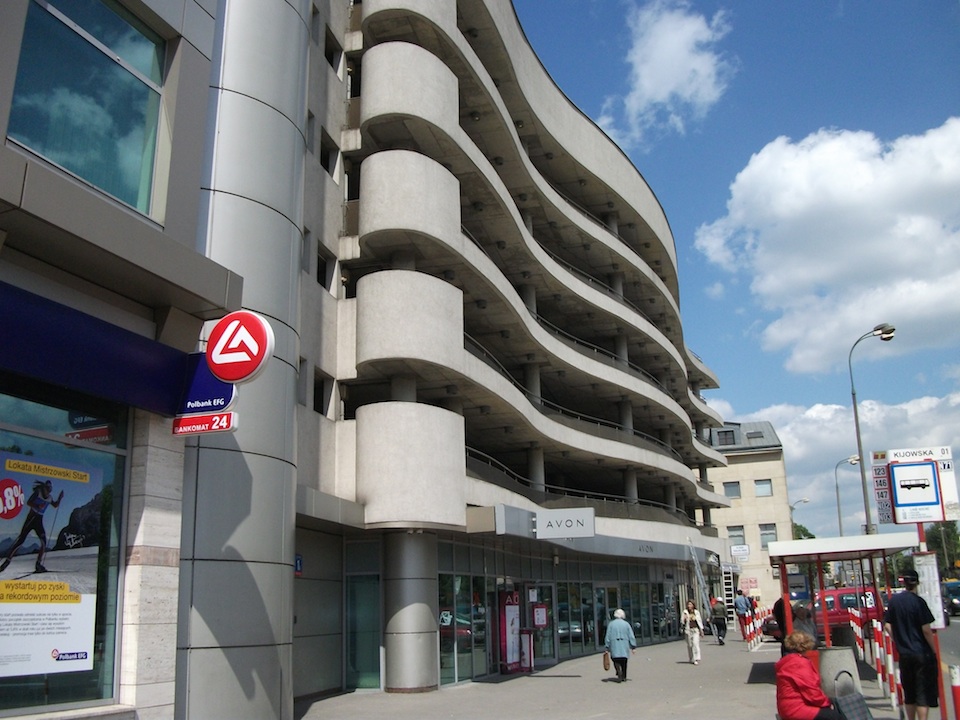
Conversely, Praga Południe can be characterised as a more homogeneous district which is dynamically developing as a site of new housing, as well as commercial and infrastructure investments. Still, the district continues to rank among those with one of the highest levels of unemployment in Warsaw.
Both districts are considered to be diverse, especially with respect to socio-economic and cultural diversity: on the one hand contrasting living standards, and the cohabitation of folklore and modern creative class on the other.
-
- © 2014 Mirosław Grochowski & Utrecht University. All rights reserved.
-
- © 2014 Mirosław Grochowski & Utrecht University. All rights reserved.
-
- © 2014 Mirosław Grochowski & Utrecht University. All rights reserved.
-
- © 2014 Mirosław Grochowski & Utrecht University. All rights reserved.
-
- © 2014 Mirosław Grochowski & Utrecht University. All rights reserved.
-
- © 2014 Mirosław Grochowski & Utrecht University. All rights reserved.
-
- © 2014 Mirosław Grochowski & Utrecht University. All rights reserved.
-
- © 2014 Mirosław Grochowski & Utrecht University. All rights reserved.
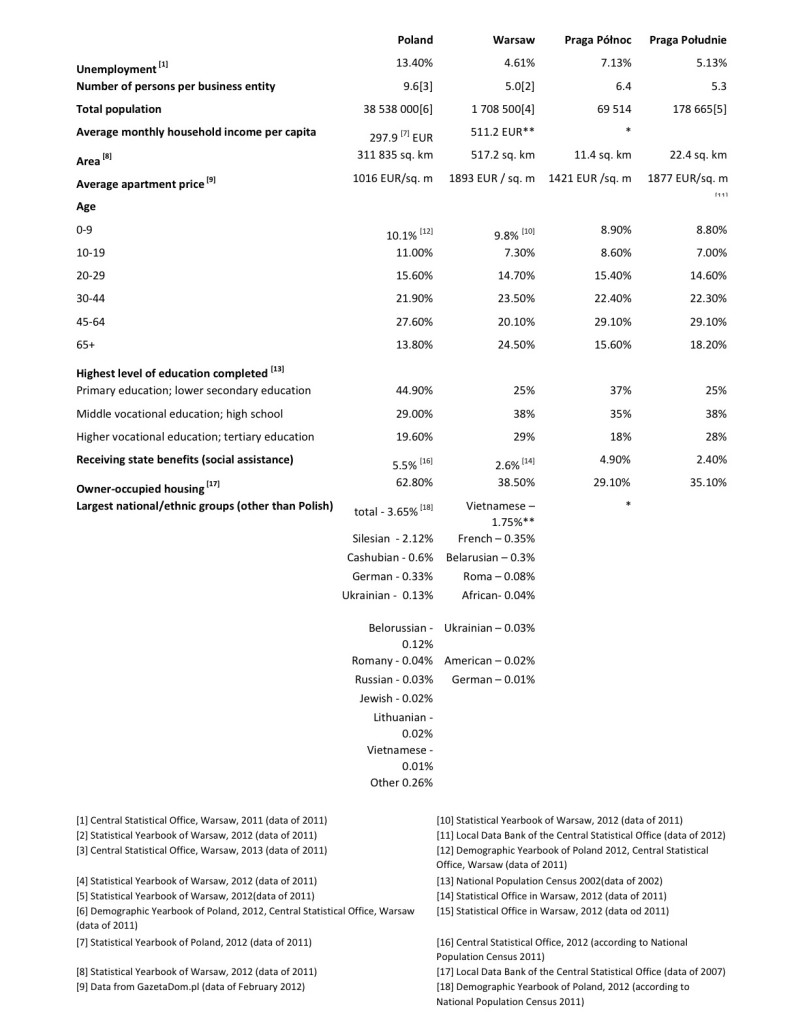
Key Statistics: