Case study area profiles:
Antwerp – Athens – Budapest – Copenhagen – Istanbul – Leipzig – London – Milan – Paris – Rotterdam – Tallinn – Toronto – Warsaw – Zurich
TORONTO
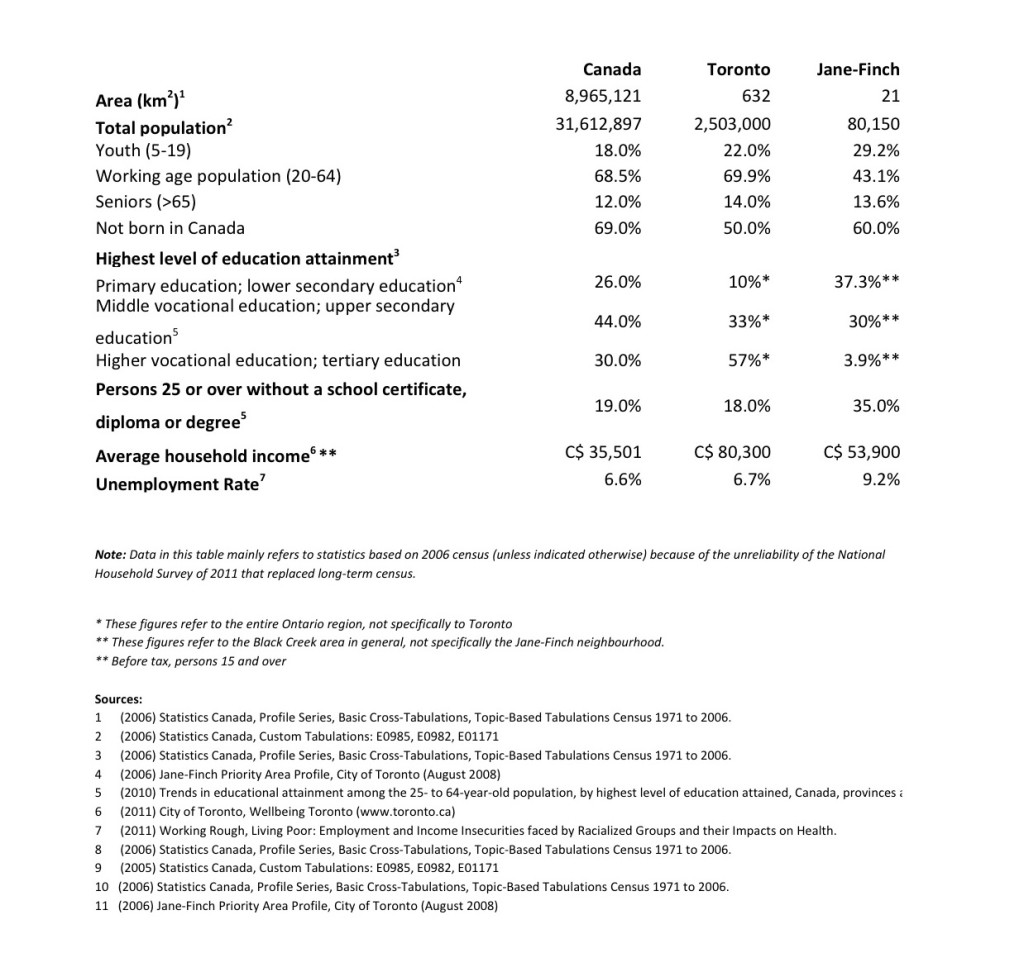
Toronto is the largest city in Canada with a population of 2.79 million people (5.5 million in the Greater Toronto Area), and the provincial capital of Ontario. It is located in Southern Ontario on the north shore of Lake Ontario. Toronto’s urban community only dates to 1793 when British colonial officials founded the ‘Town of York’ on what was then the Upper Canadian frontier. The backwoods village was incorporated as a city and renamed the ‘City of Toronto’ in 1834. Since then Toronto has expanded its borders several times through amalgamation with surrounding municipalities, most recently in 1998.
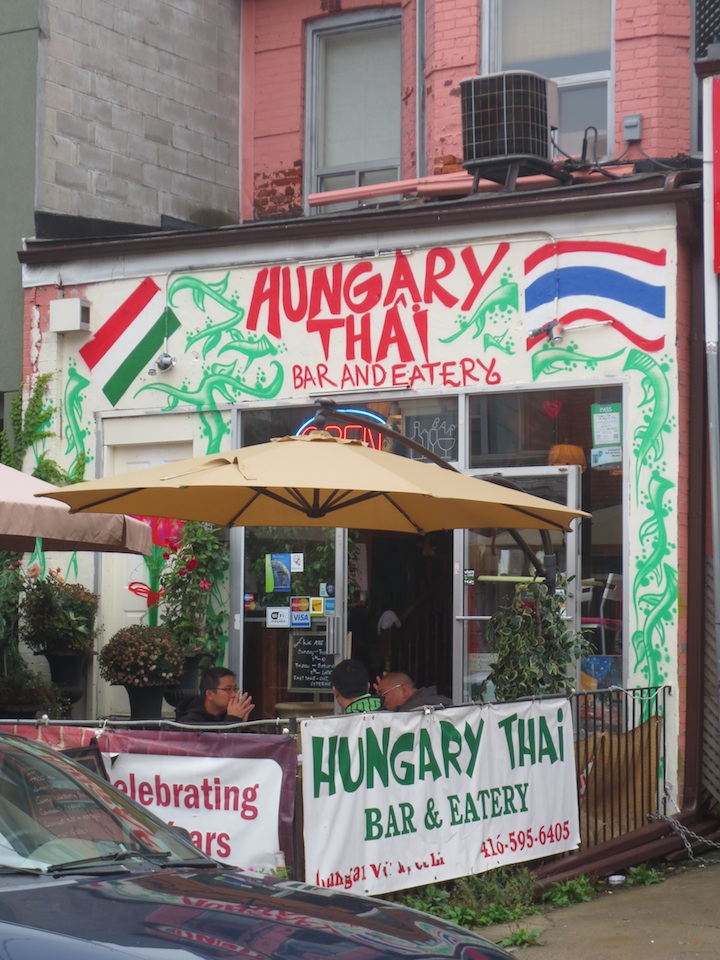
Through its subsequent evolution and expansion Toronto has emerged as the most immigration-receiving city in Canada, and one of the most diverse cities in the world. In 2006, half of Toronto’s population (1,237,720) was born outside of Canada. There are 140 languages and dialects spoken in Toronto, and over 30% of Toronto residents speak a language other than English or French at home.
Toronto was Canada’s major manufacturing city, supported by protectionist tariffs on imported manufactured products. Over the years its economy has shifted from manufacturing to a more service-based economy. While the city’s economy experienced major social and economic restructuring, the manufacturing jobs have moved to the suburban locations and other regions.
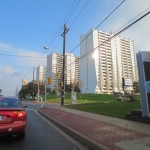
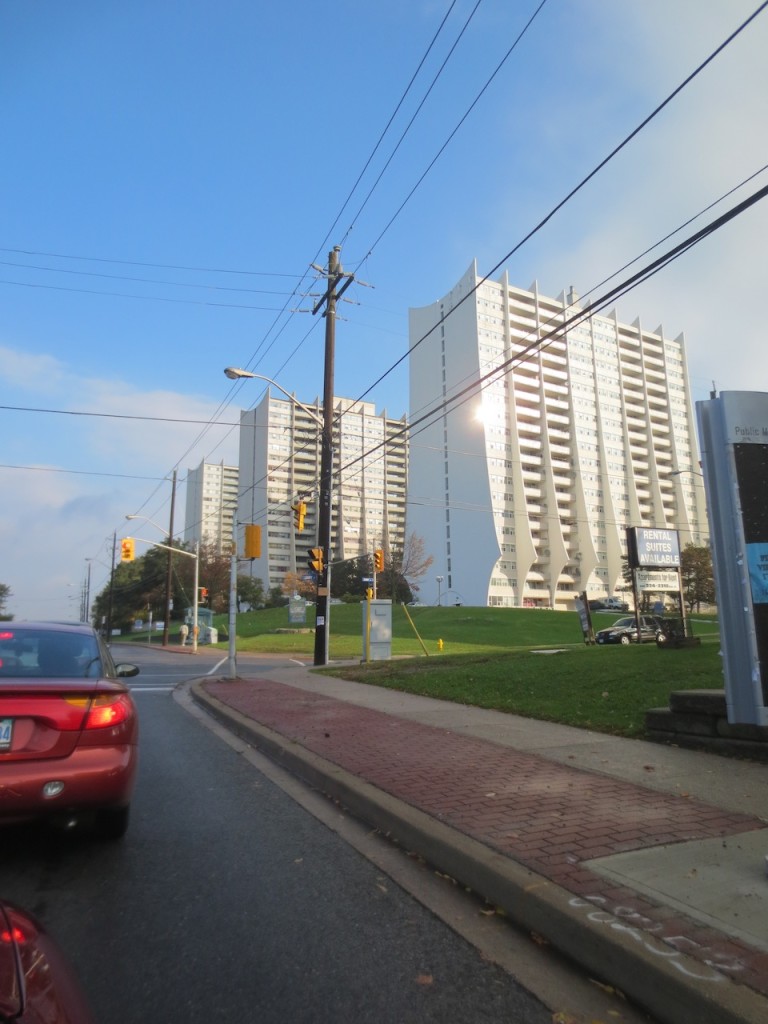
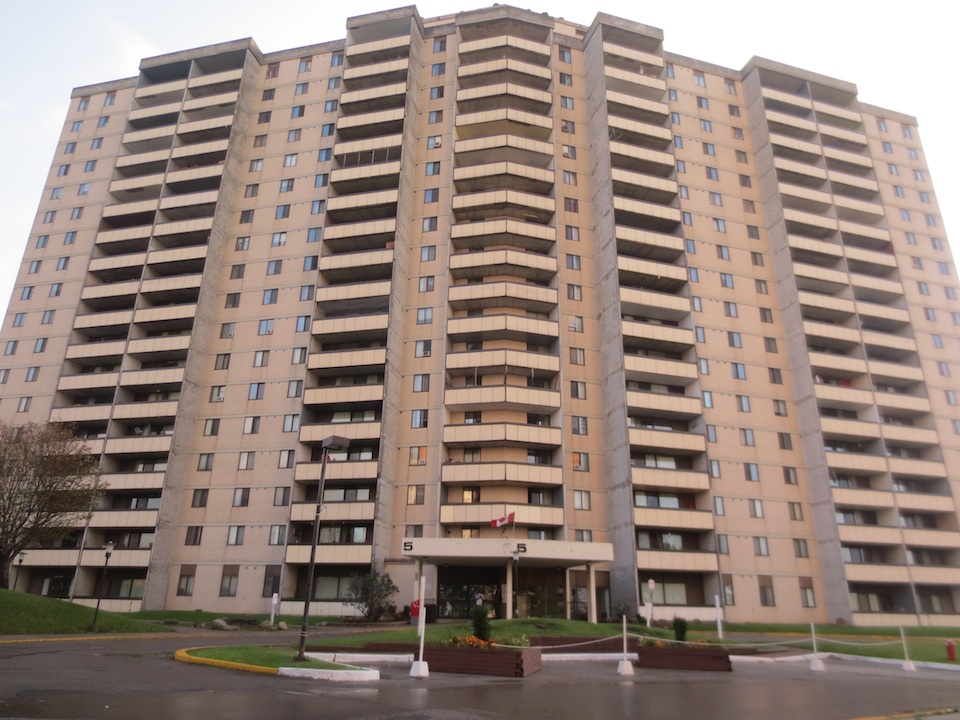
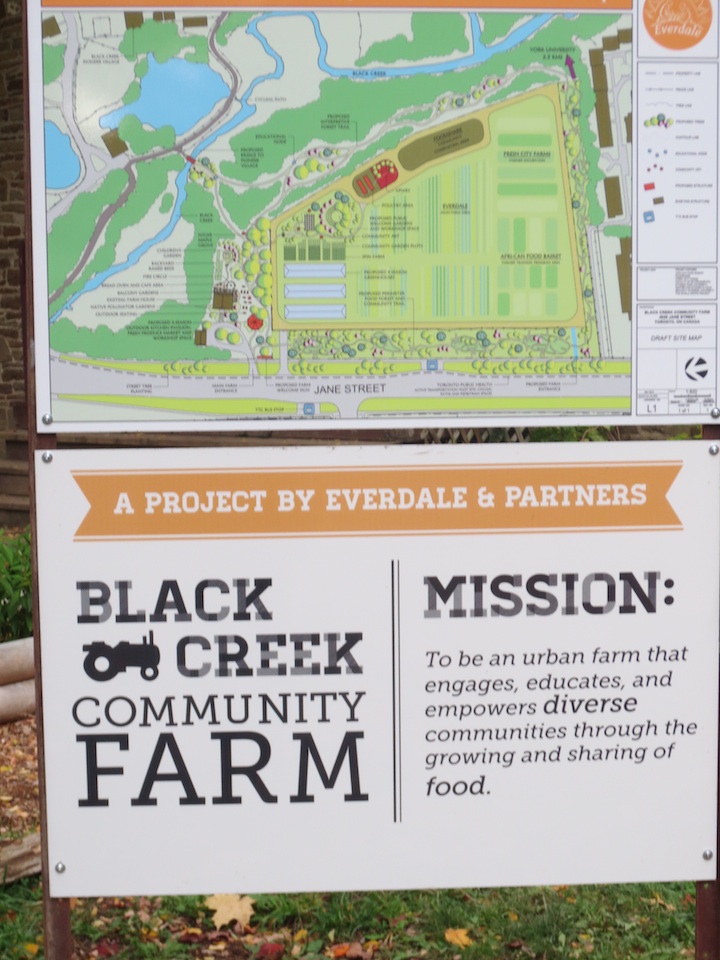
Jane and Finch is a neighbourhood located in the northwest end of Toronto, originally developed as a model suburb in the 1960s in response to rapid urban growth. The Jane and Finch neighbourhood is part of the Black Creek community.
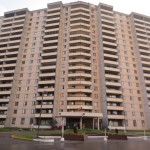
The community experienced a huge wave of immigration after WWII, with newcomers from the Caribbean, East Asia, South Asia, Africa, and South America. The highly diverse neighbourhood has one of the highest proportions of youth, sole-supported families, refugees and immigrants, people without a high-school diploma, low-income earners, and public housing tenants of any community in Toronto. As well, there is a substantial and equally diverse population living in middle class detached and semi-detached houses, townhouses, and high-rise tower blocks.
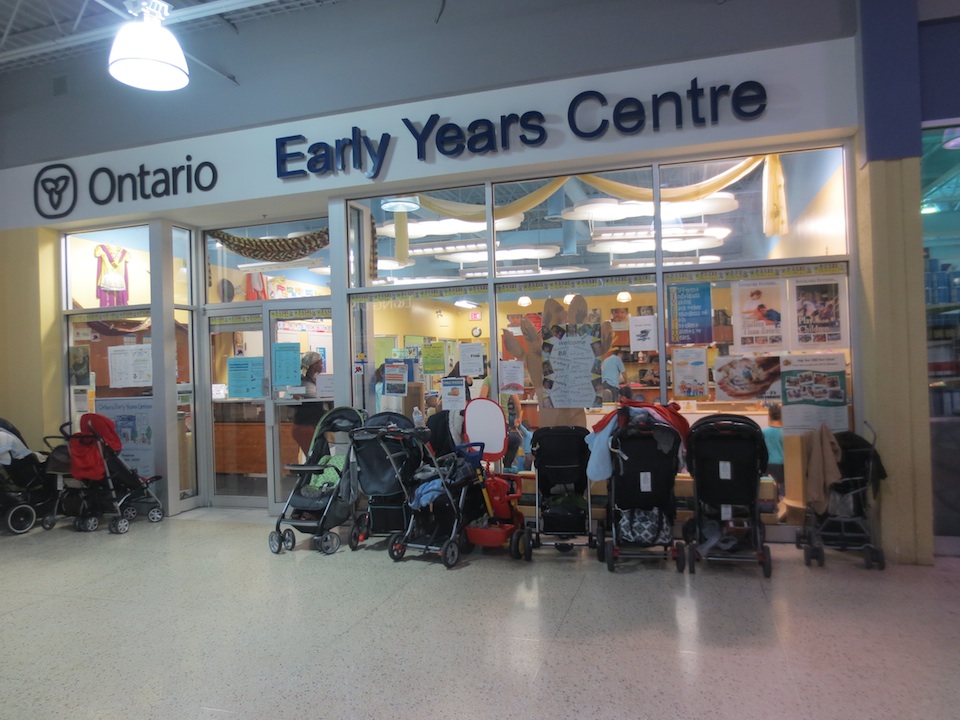
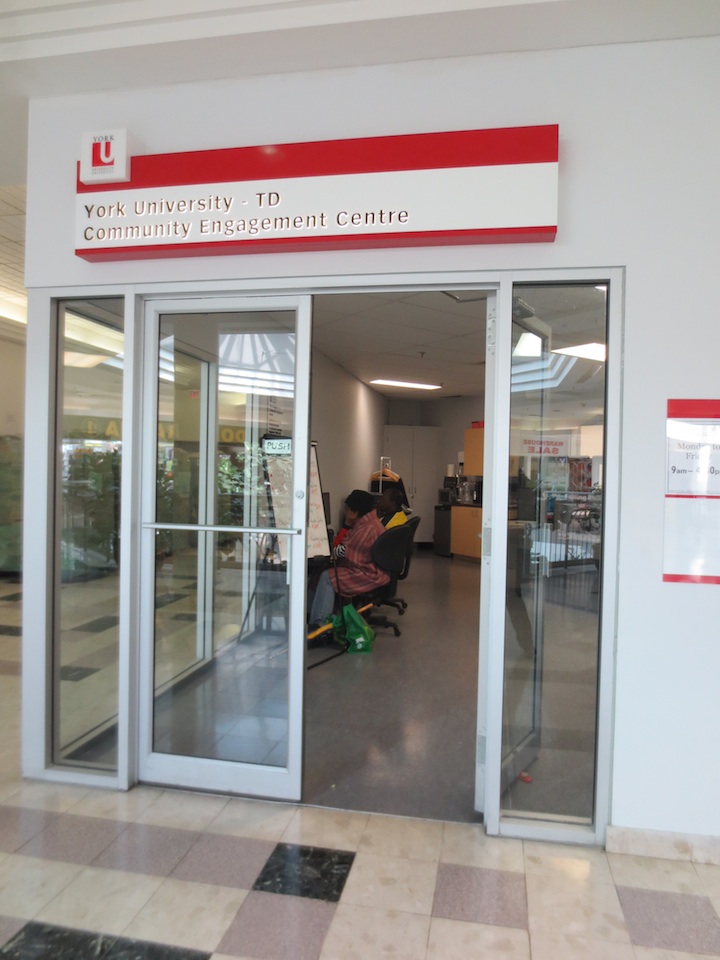
The community was originally planned to accommodate a socially diverse population and included a substantial amount of public housing. However, insufficient thought was given to the social infrastructure needed to sustain community life.
-
- © 2014 Donya Ahmadi & Utrecht University. All rights reserved.
-
- © 2014 Donya Ahmadi & Utrecht University. All rights reserved.
-

- © 2014 Donya Ahmadi & Utrecht University. All rights reserved.
-

- © 2014 Donya Ahmadi & Utrecht University. All rights reserved.
-

- © 2014 Donya Ahmadi & Utrecht University. All rights reserved.
-

- © 2014 Donya Ahmadi & Utrecht University. All rights reserved.
-

- © 2014 Donya Ahmadi & Utrecht University. All rights reserved.
-

- © 2014 Donya Ahmadi & Utrecht University. All rights reserved.
Key Statistics: