Case study area profiles:
Antwerp – Athens – Budapest – Copenhagen – Istanbul – Leipzig – London – Milan – Paris – Rotterdam – Tallinn – Toronto – Warsaw – Zurich
TALLINN
Tallinn is the capital and largest city in Estonia, housing about one-third of the country’s population. Established as a fortress, it was an important port for trade between Russia and Scandinavia in the 11th century. In 1285, it became the northernmost member of the Hanseatic League – a mercantile and military alliance of German-dominated cities in Northern Europe. The medieval core of Tallinn or Old Town (now a UNESCO Heritage Protection area) was mostly built in the 13th century. Historically, Tallinn consisted of two parts. The central authority was located on Toompea Hill or in the upper-city, which used to be a separate city up until 1877. The Old Town or lower-city around Town Hall Square extended to the sea and was the centre of the medieval trade on which it grew prosperous. Such spatial-political divisions and frictions carry on to this day. The national parliament and the Prime Minister’s office are located in the upper-city whilst Tallinn’s council and government are located in the lower-city. Since 1991 when Estonia regained independence, the ruling parties in the upper-city and lower-city have been different, and have also pursued different types of policies regarding diversity.
Tallinn is the economic, financial and business capital of Estonia where more than half of the country’s wealth is created. The GDP per capita in Tallinn is above the EU average whilst the GDP per capita in the rest of Estonia is slightly more than half of the EU average. This allows Tallinn to provide social services beyond the reach of other municipalities, including extra pensions for the elderly, financial support for families with children and free public transport for Talliners. The particular strength of Tallinn’s diversified economy pertains to logistics, tourism, research and education, and information technology. The Daily Mail listed Tallinn as one of the world’s seven smartest cities.
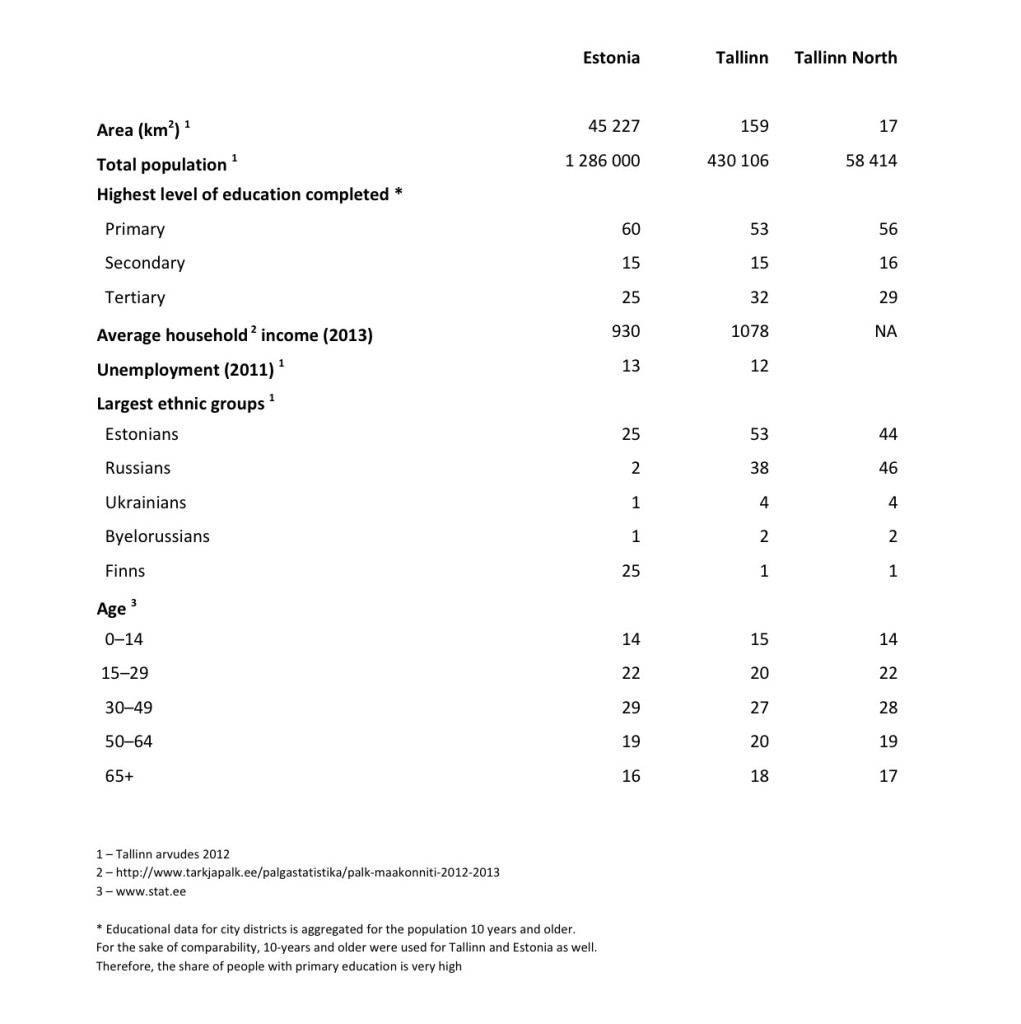
Tallinn is the most cosmopolitan and ethnically diverse city in Estonia. It is a tri-lingual city. About half of the population speaks mother-tongue Estonian and the other half mother-tongue Russian. English is the first foreign language and is spoken fluently by the younger generation schooled since 1991. Whilst social divisions were low under socialism, Estonia inherited strong, ethno-linguistic divisions from the Soviet period during which most of today’s migrants arrived in Tallinn. The school system is language-based, and levels of labour market segmentation and residential segregation are high. In the 1990s, social divisions began to grow and in the 2000s, such social divisions became evident in the form of growing residential segregation. Ethnic and social divisions increasingly overlap both on the labour market and residential space.
Tallinn North is one of the eight city districts in Tallinn. It is located on a peninsula between the city centre and the Gulf of Finland and has the longest coastline of all the districts of Tallinn. It is the main site of the 19 th and 20th century industrialisation drive. It has three large ports and a high share of working-class, Russian-speakers which define its main character. The area was left in decay during the Soviet period, with mostly infills remaining in the form of standardised, high-rise housing estates. Its housing stock is very diverse, and many low-density residential areas of the district are defined as trendy areas today. Tallinn North attracts young (mainly Estonian-speaking) white-collar residents along with creative businesses. North Tallinn is considered the most diverse area in Tallinn both in terms of the types of housing and the socioeconomic background of its inhabitants. Generally, gentrification and renewal is spreading from the city centre towards the end of the peninsula.
-
- Ongoing reconstruction of apartment blocks from the 1960s, Tallinn North. © 2014 Anneli Kährik & Utrecht University. All rights reserved.
-
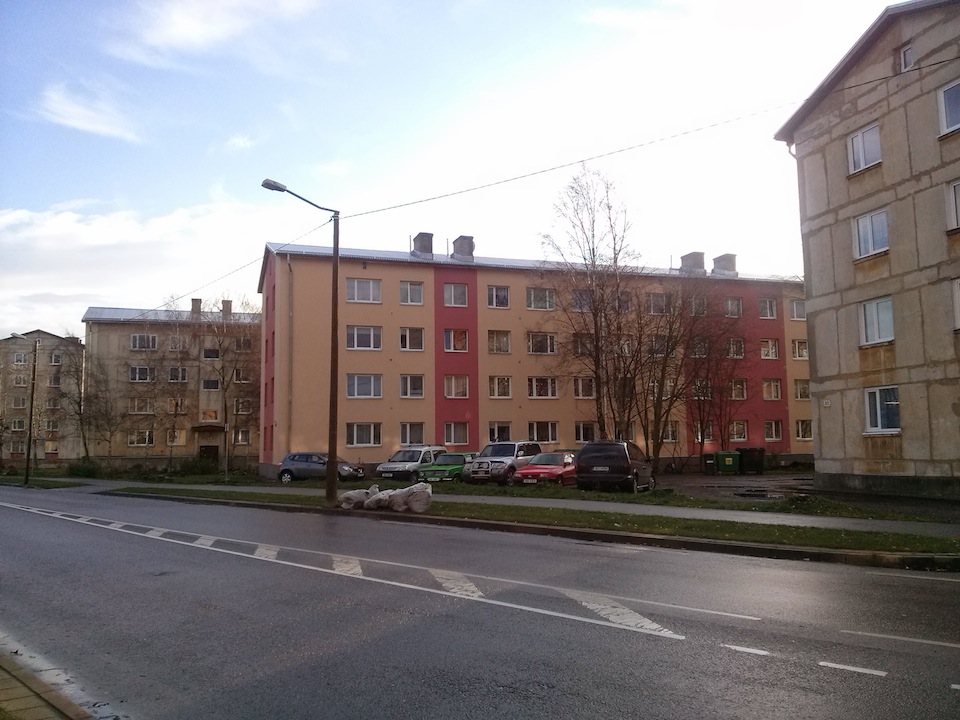
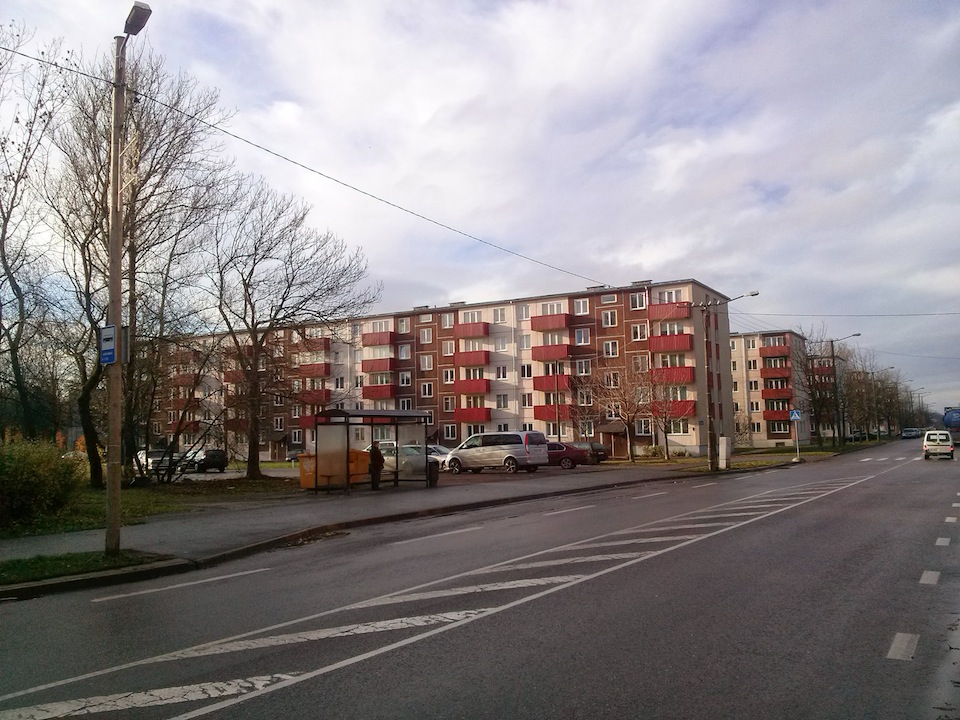
- Apartment blocks from the 1970s, Tallinn North. © 2014 Anneli Kährik & Utrecht University. All rights reserved.
-
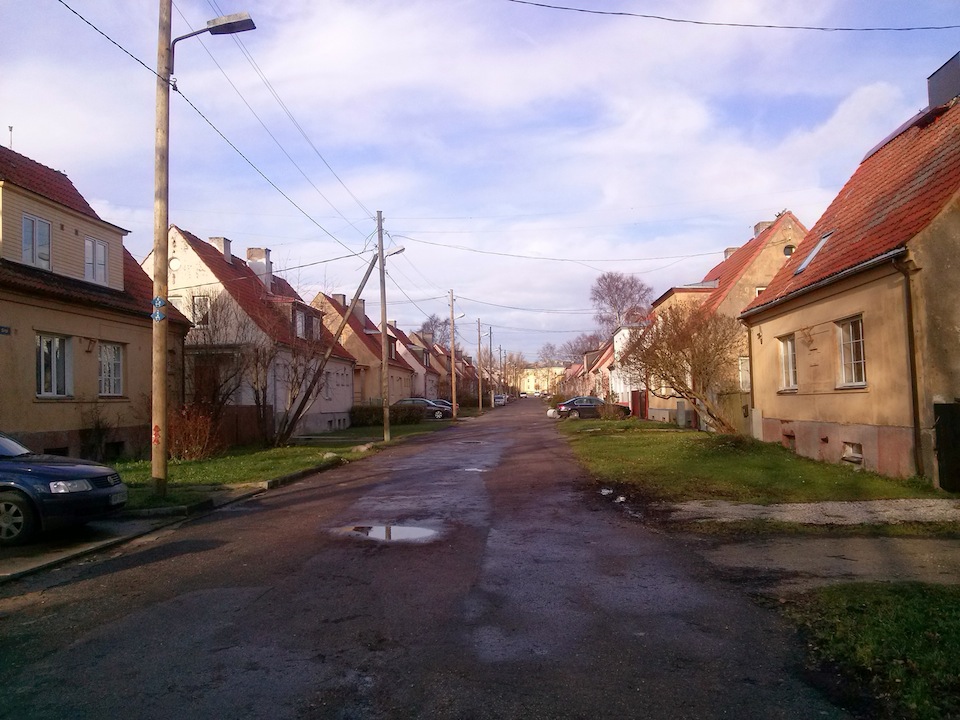
- Residential neighbourhood in Kopli, Tallinn North. © 2014 Anneli Kährik & Utrecht University. All rights reserved.
-
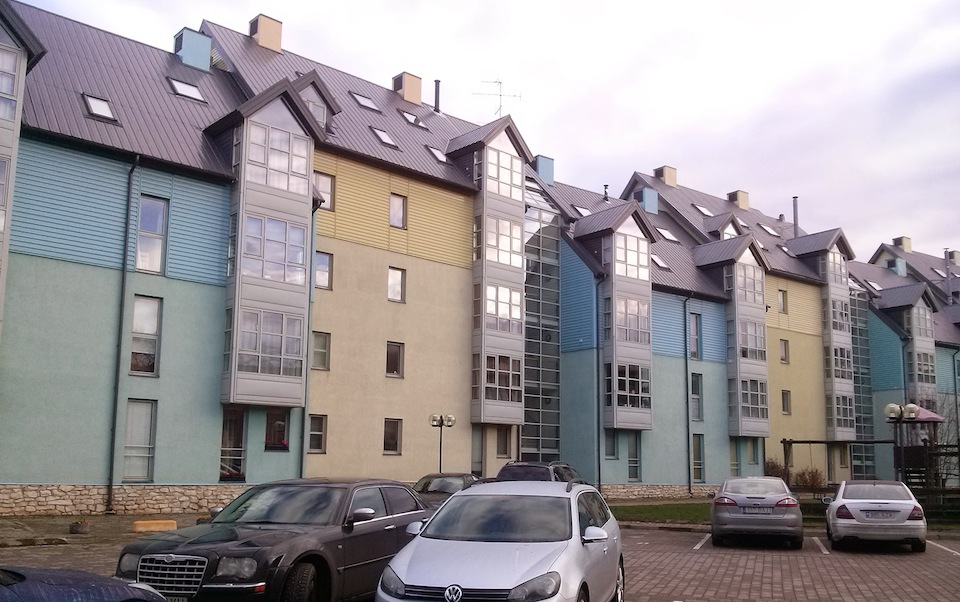
- Modern housing from the 1990s in Tallinn North. © 2014 Anneli Kährik & Utrecht University. All rights reserved.
-
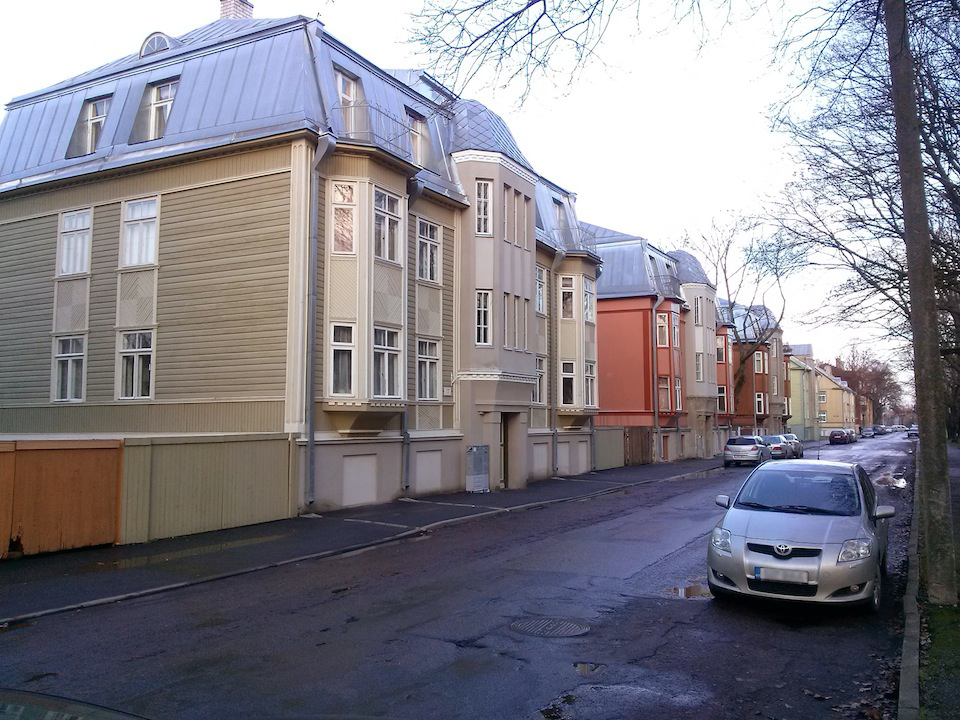
- Gentrifying neighbourhood in Tallinn North. © 2014 Anneli Kährik & Utrecht University. All rights reserved.
-
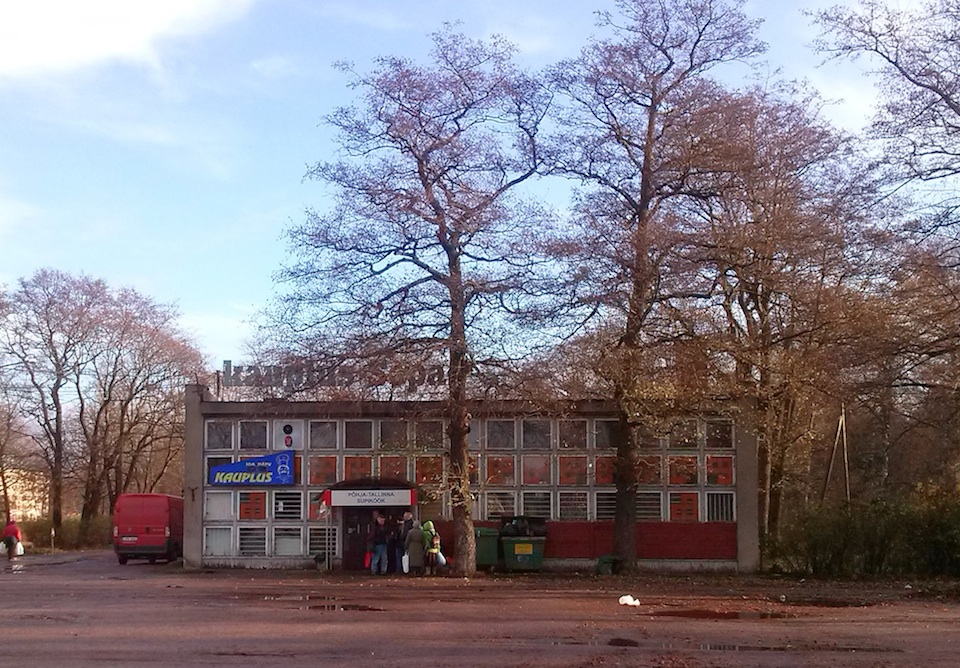
- ‘Soup Kitchen’ in Kopli, Tallinn North. © 2014 Anneli Kährik & Utrecht University. All rights reserved.
-
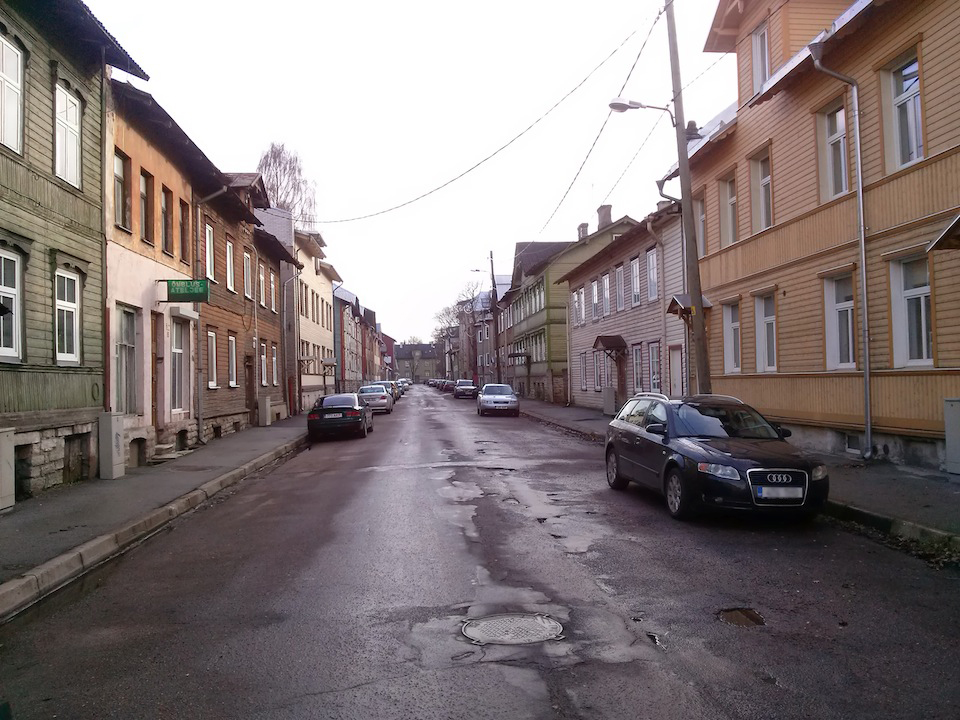
- Typical residential neighbourhood in Tallinn North. © 2014 Anneli Kährik & Utrecht University. All rights reserved.
-
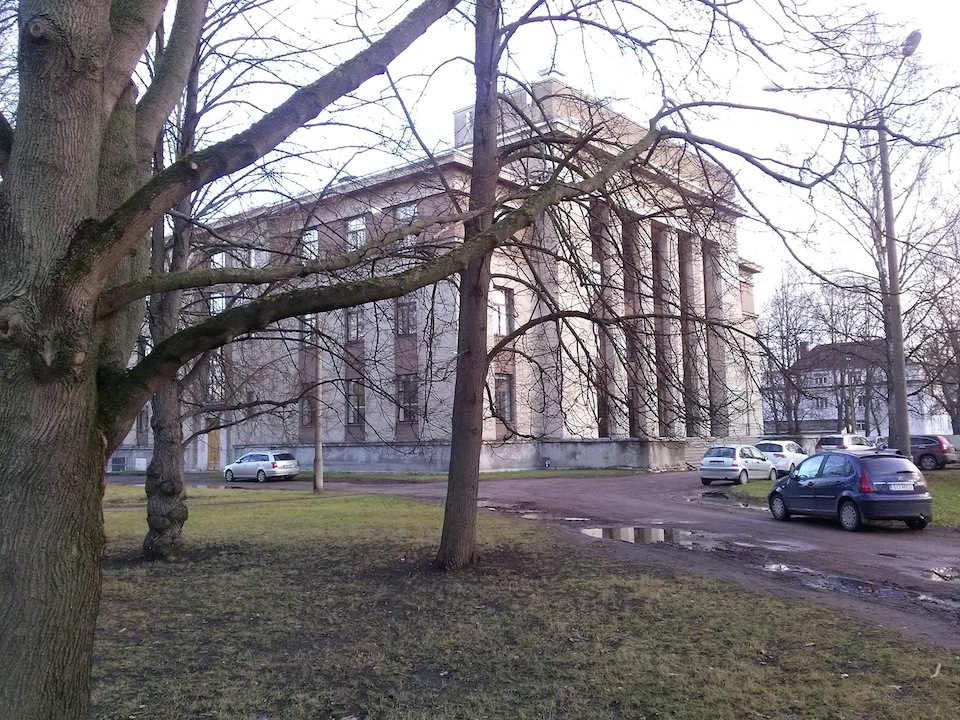
- Community centre ‘Salme’ in Tallinn North. © 2014 Anneli Kährik & Utrecht University. All rights reserved.
-
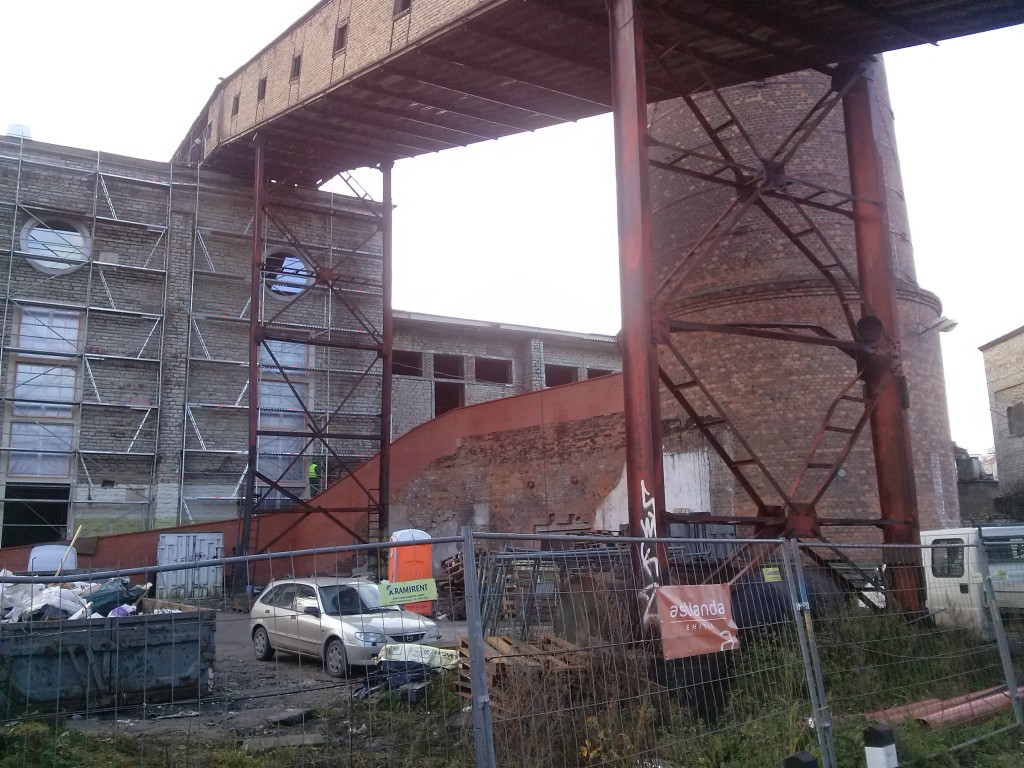
- Reconstruction project to convert former Tallinn Power Plant into the Tallinn Creative Hub. © 2014 Anneli Kährik & Utrecht University. All rights reserved.
-
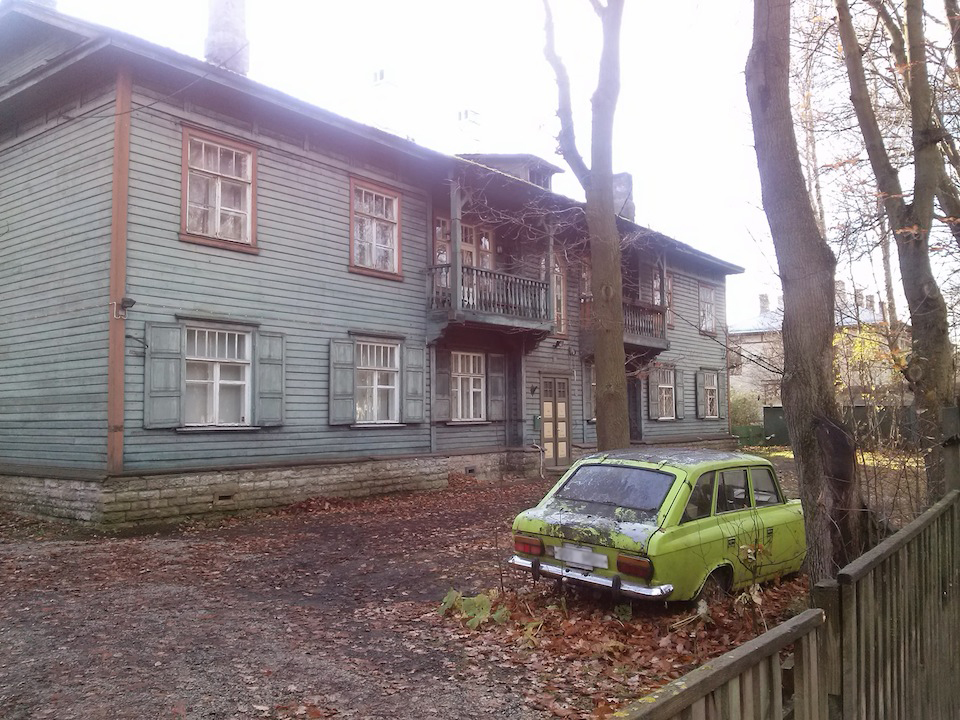
- Former workers’ housing neighbourhood in Tallinn North. © 2014 Anneli Kährik & Utrecht University. All rights reserved.
-
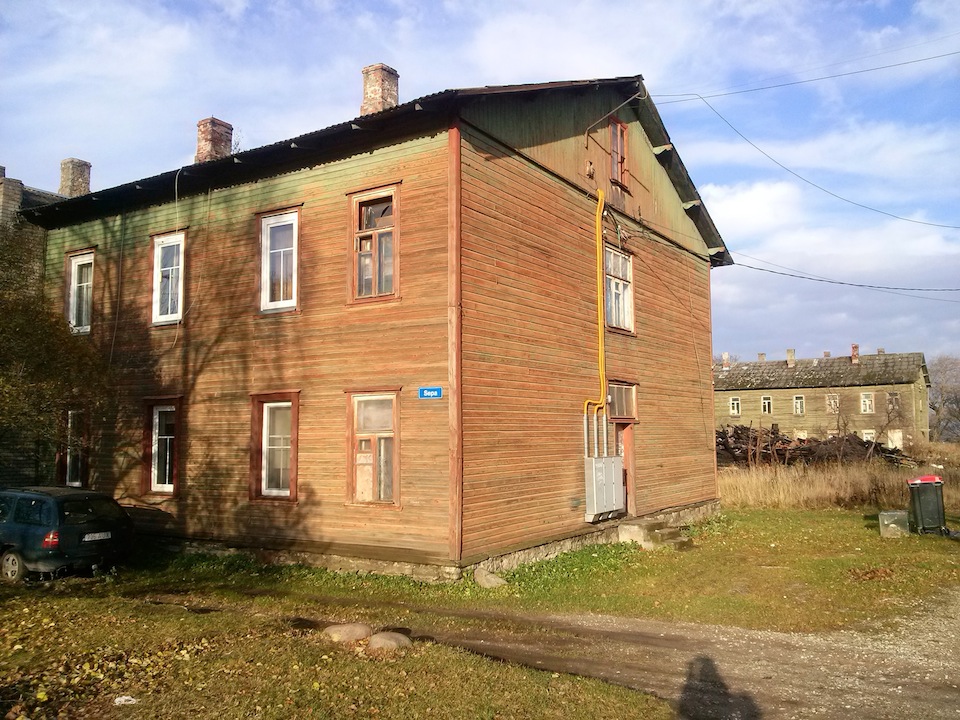
- Former workers’ barracks under gradual demolition in Kopli, Tallinn North. © 2014 Anneli Kährik & Utrecht University. All rights reserved.
-
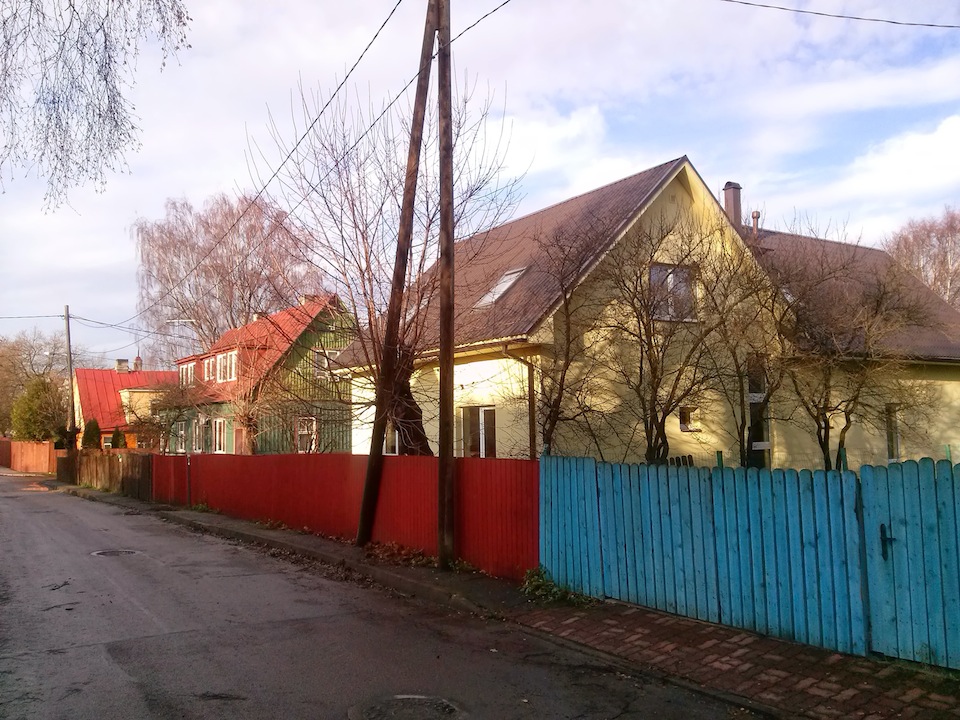
- Detached housing in Tallinn North. © 2014 Anneli Kährik & Utrecht University. All rights reserved.
Key Statistics: