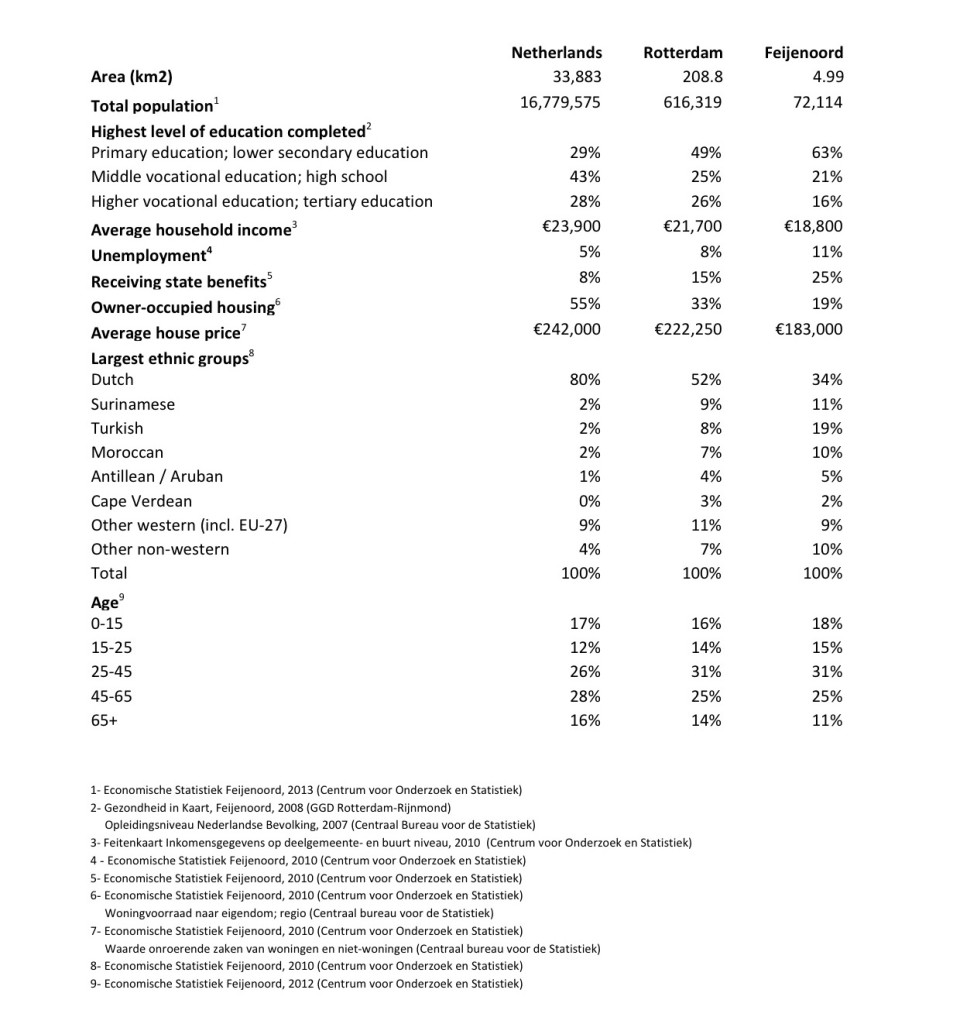
Case study area profiles:
Antwerp – Athens – Budapest – Copenhagen – Istanbul – Leipzig – London – Milan – Paris – Rotterdam – Tallinn – Toronto – Warsaw – Zurich
ROTTERDAM
Rotterdam is the second largest city in the Netherlands. It has developed from a small fishing town in the 14th century to a major international business and trade centre at present. Rotterdam’s harbour has long been its economic motor. However, like many post-industrial cities, deindustrialisation and the transition towards a postmodern economy have caused a disconnect between the city’s traditional blue-collar labour force and the increasing demand for service sector workers.
Over the years, Rotterdam has achieved major successes in diversifying its economy and attracting (inter)national businesses. Today it is well-known for its architecture, knowledge and creative businesses. Yet, the city still has relatively high levels of unemployment, income segregation, poor households, and low property prices compared to other large Dutch cities.
Due to its history as a port city, Rotterdam has attracted migrants from all over the world. Migrants have come to work on the docks or in the context of family formation and reunion. In 2010, almost half of the city’s inhabitants (48%) were born abroad or had at least one parent born abroad. As migrants on average have children at a younger age than native citizens, the population of Rotterdam is relatively young compared to other cities in the Netherlands.
Feijenoord is a district in Rotterdam-South. From a rural area, to a place of industrial production and transport in the 20th century, then a residential environment in the last decades, it is evolving into a dynamic, mixed-use urban area today.
Housing corporations own 70% of the housing stock in Feijenoord. Most of the dwellings are relatively cheap. A large part of Feijenoord’s population is low-skilled, unemployed, has lower than average household incomes or receive state welfare benefits. The relatively low rents attract (disadvantaged) newcomers to the area. Higher-income groups have been moving away to more affluent neighbourhoods. Over the last decennium, there has been a concerted effort by Rotterdam municipality to try to attract high-income households to the area through various urban regeneration and social mix programs. It has also tried to stimulate existing residents to have a ‘housing career’ within the neighbourhood.
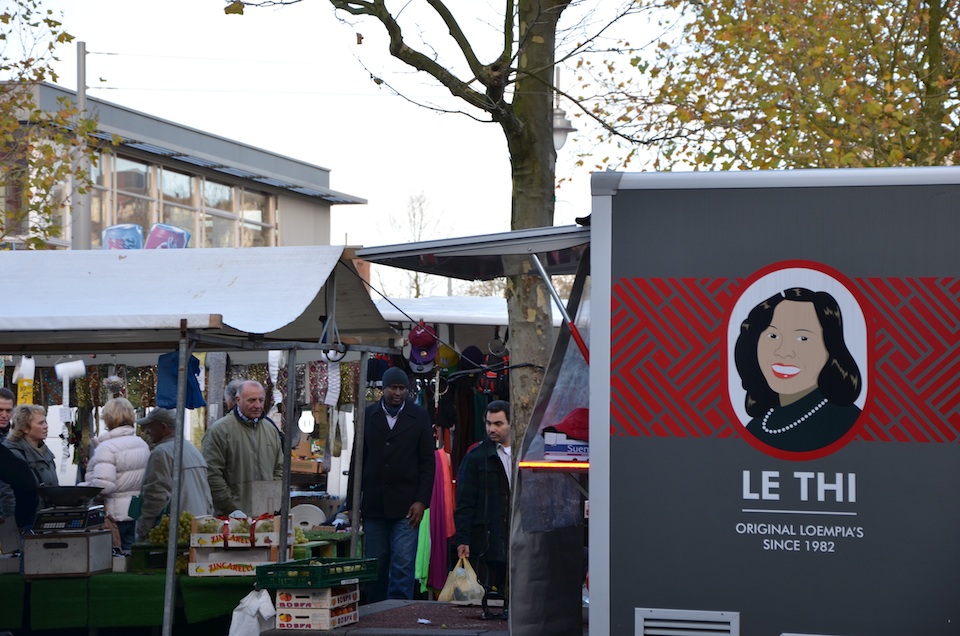
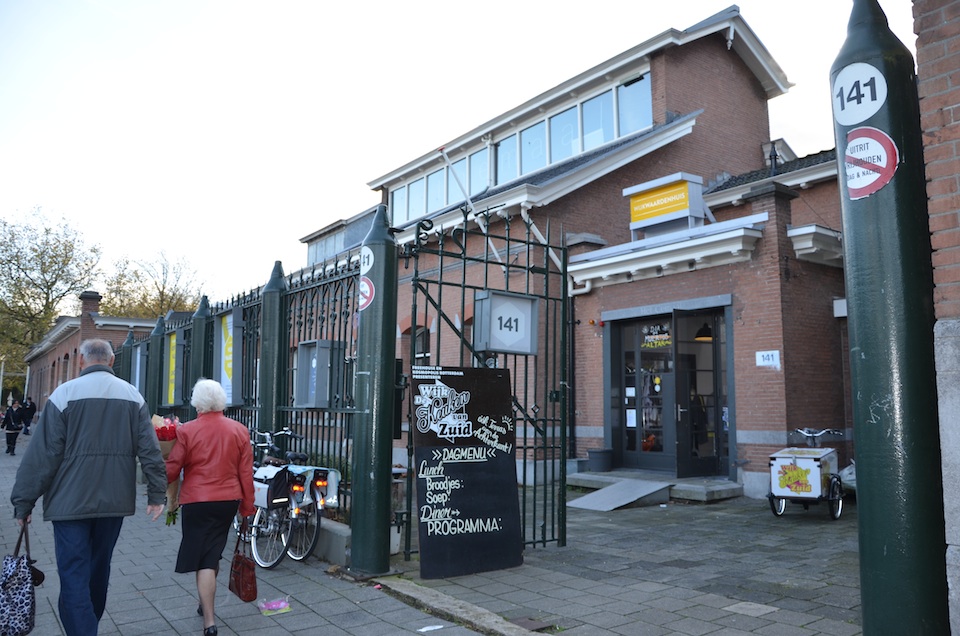
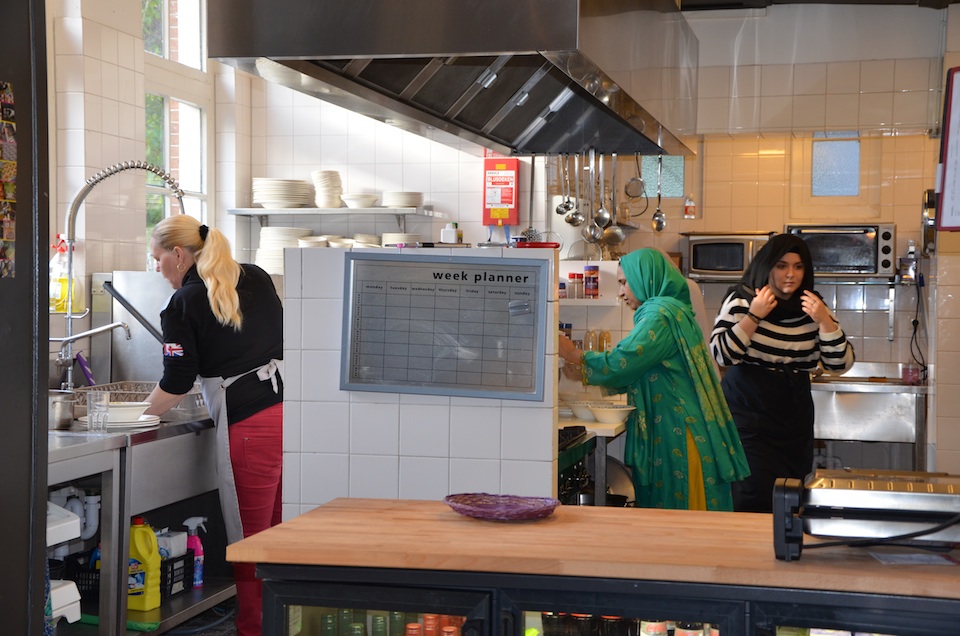
Since the 1960s and still today, newcomers to the area have mostly been migrants. Recently, there has been an influx of labourers from Central and Eastern European countries. While the national population is ageing, the population of Feijenoord is getting younger (in 2010 half the population was aged ≤35 years). The diverse ethnic backgrounds are reflected in the neighbourhood’s intercultural food markets and cafes, social and religious amenities, local entrepreneurship and growth in international business.
-
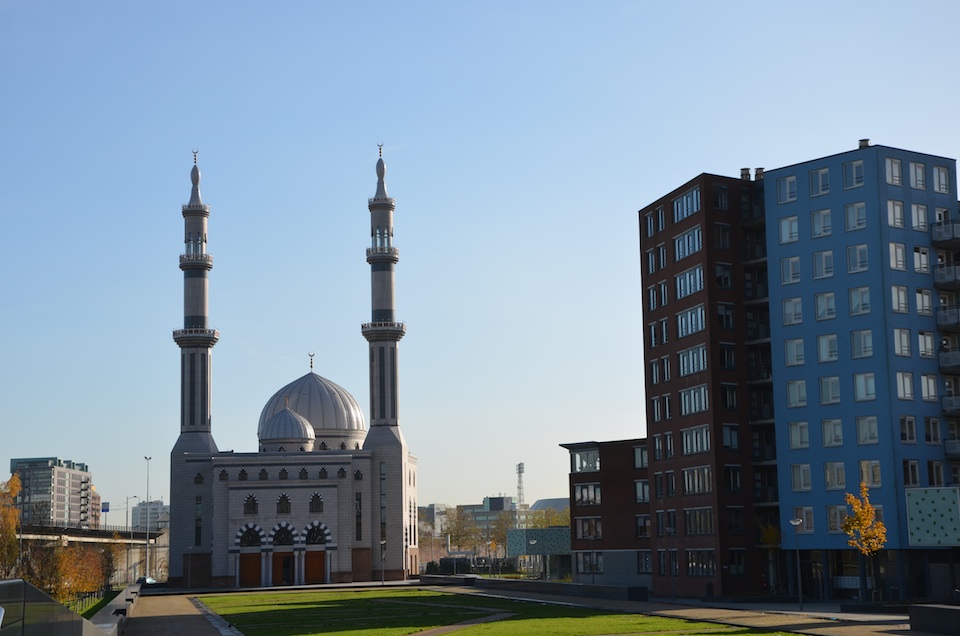
- The Netherlands’ largest Mosque is located in Rotterdam. © 2014 Melissa Lee & Utrecht University. All Rights Reserved.
-
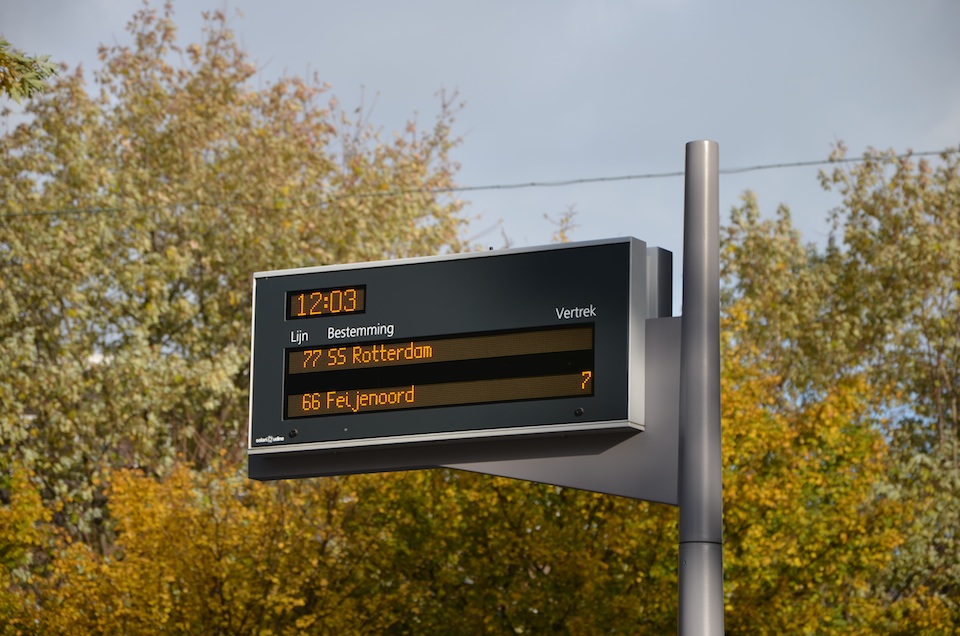
- Bus stop in Feijenoord, Rotterdam. © 2014 Melissa Lee & Utrecht University. All Rights Reserved.
-
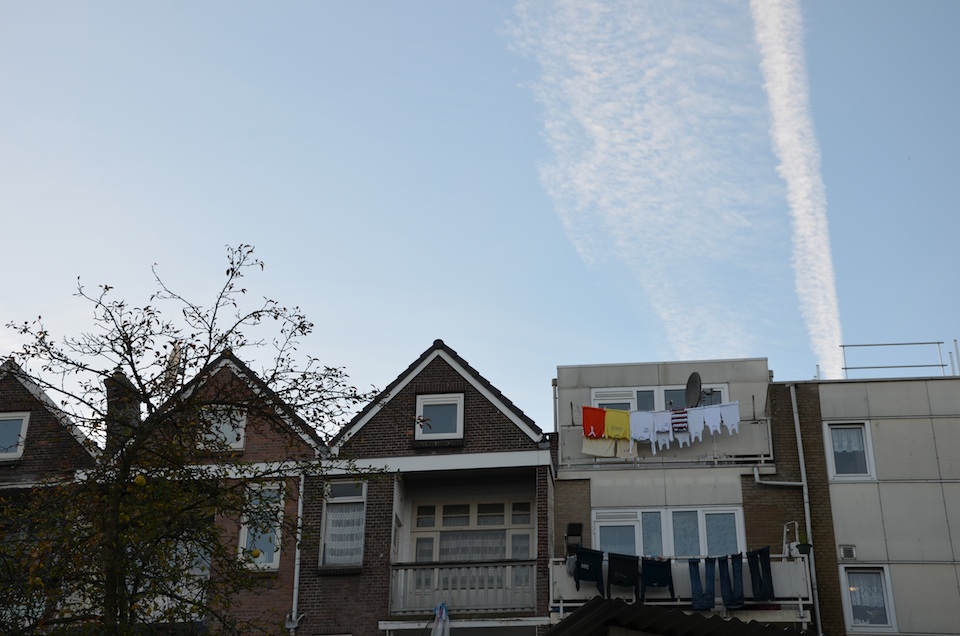
- Traditional and modern housing, Rotterdam. © 2014 Melissa Lee & Utrecht University. All Rights Reserved.
-
- Afrikandermarkt outdoor market in Feijenoord. © 2014 Melissa Lee & Utrecht University. All Rights Reserved.
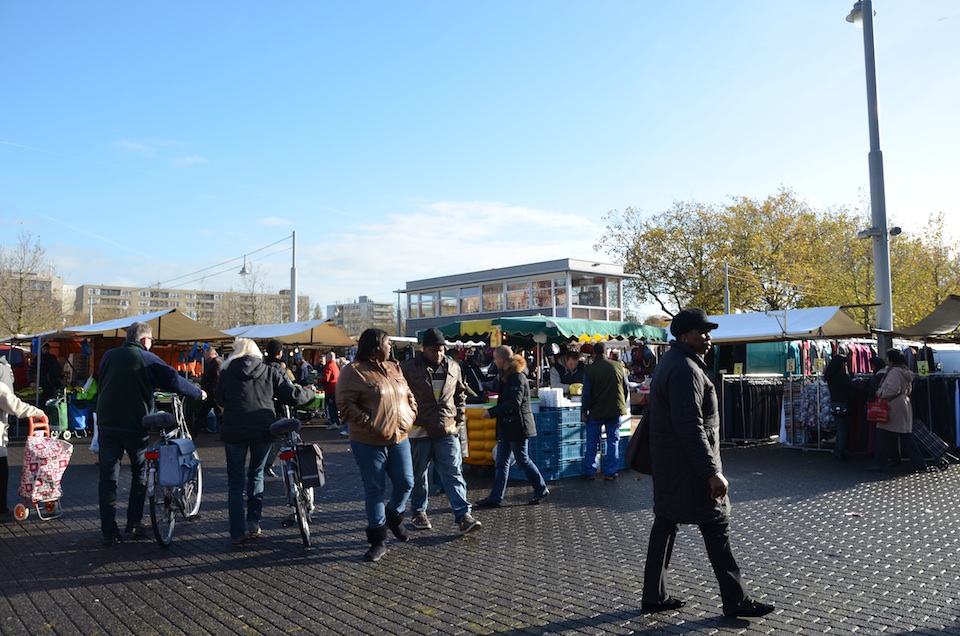
-
- Afrikandermarkt outdoor market in Feijenoord. © 2014 Melissa Lee & Utrecht University. All Rights Reserved.
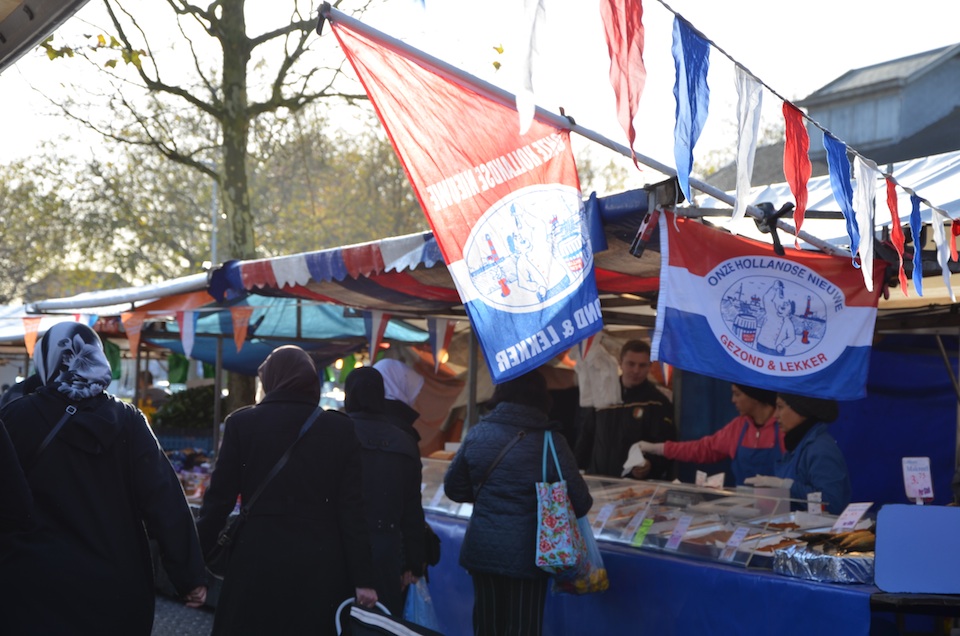
-
- Afrikandermarkt outdoor market in Feijenoord. © 2014 Melissa Lee & Utrecht University. All Rights Reserved.
-
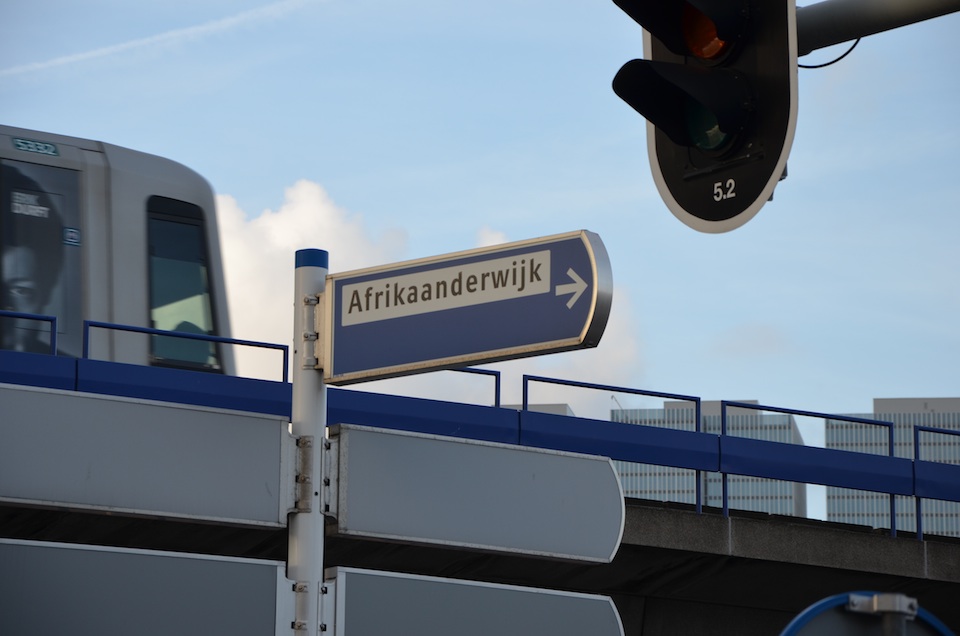
- Afrikaanderwijk: traditionally a working-class neighborhood in Rotterdam. © 2014 Melissa Lee & Utrecht University. All Rights Reserved.
-
- De Wijkkeuken van Zuid café. © 2014 Melissa Lee & Utrecht University. All Rights Reserved.
-
- De Wijkkeuken van Zuid café. © 2014 Melissa Lee & Utrecht University. All Rights Reserved.
-
- Neighbourhood in Feijenoord. © 2014 Melissa Lee & Utrecht University. All Rights Reserved.
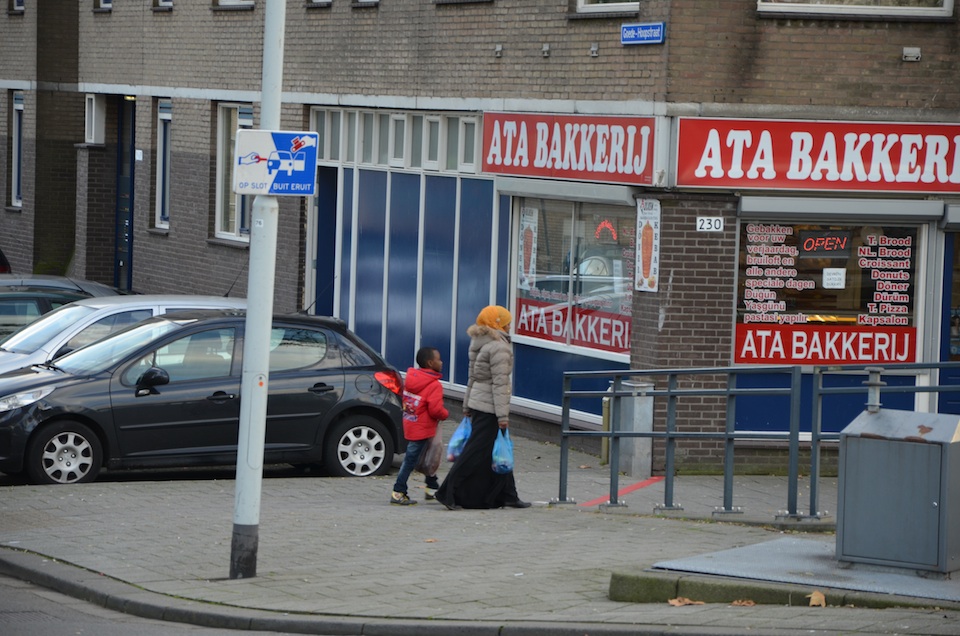
-
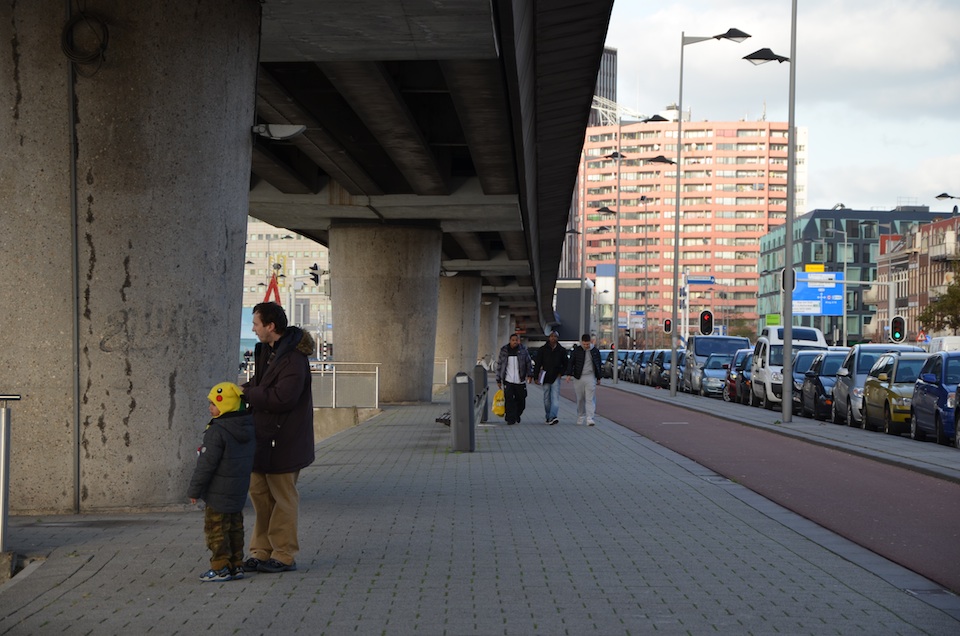
- Man and son look towards Rotterdam harbour. © 2014 Melissa Lee & Utrecht University. All Rights Reserved.
-
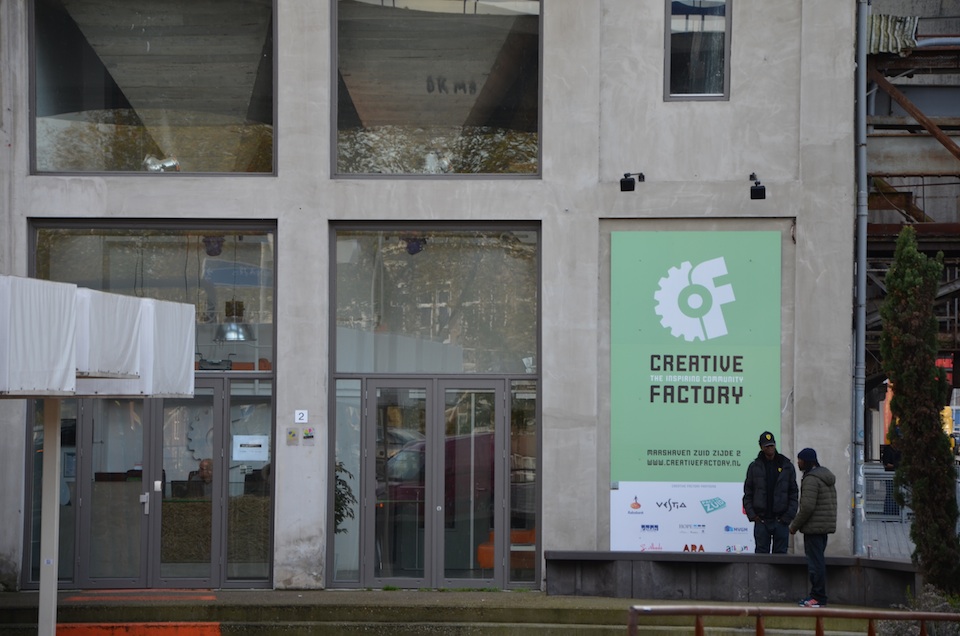
- Creative Factory: a hub for creative businesses. © 2014 Melissa Lee & Utrecht University. All Rights Reserved.
Key Statistics: