Case study area profiles:
Antwerp – Athens – Budapest – Copenhagen – Istanbul – Leipzig – London – Milan – Paris – Rotterdam – Tallinn – Toronto – Warsaw – Zurich
PARIS
Paris is the largest city in France with a population of 2.27 million and is located on the River Seine in the northern part of the country. Its concentration of political, economic, cultural and education institutions makes Paris a popular destination for tourists, investors and students from France and abroad.
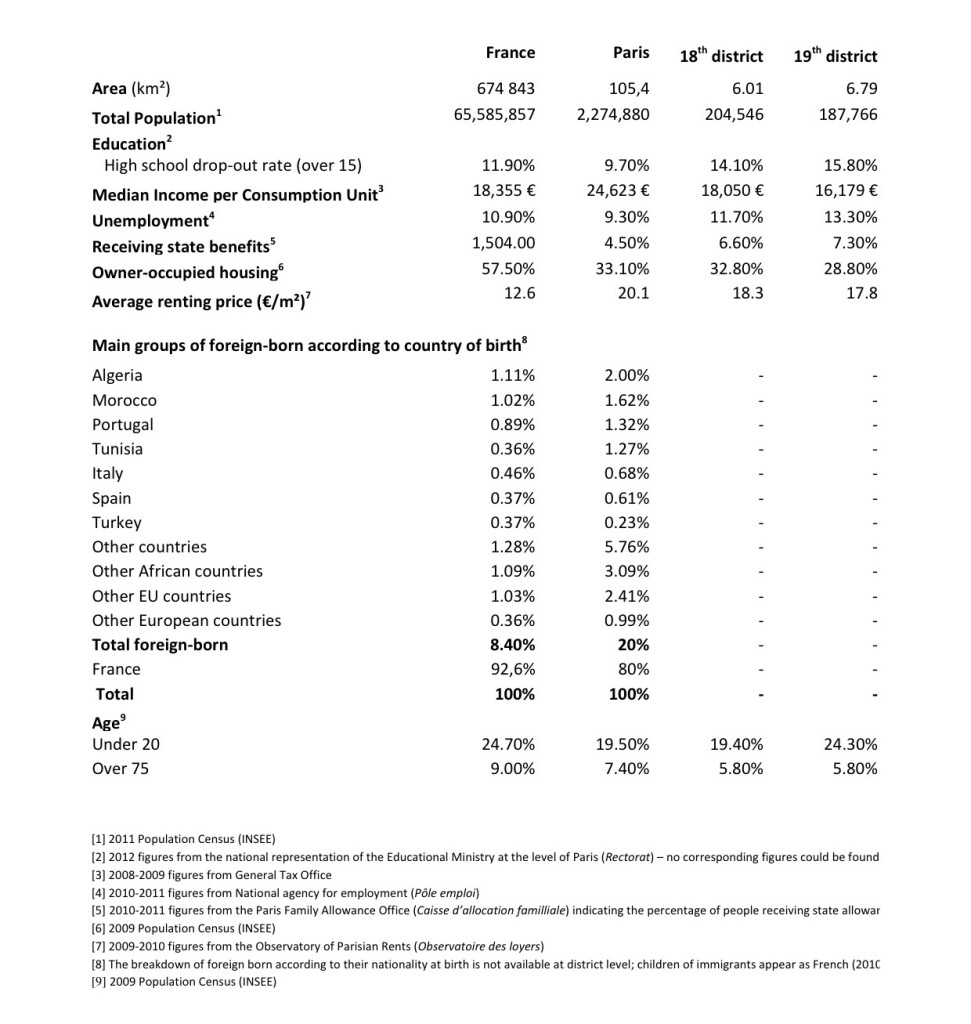
Paris has long been a diverse city. From the rural French migrating to the city in the 19th century, the southern Europeans in the 20th century, to migrants from outside Europe after WWII and the dismantling of the French Empire, Paris has been a melting pot for successive waves of in-migrants, whatever their social and economic status. To this day, it has a higher rate of foreign-born (20%) in comparison with the rest of the country (8.4%).
Paris is nevertheless a divided city. The south-western area has some of the highest income rates in the country whilst the north-eastern part has disadvantaged areas with high levels of unemployment. However, the north-eastern area has been attracting middle-to upper middle class inhabitants and is currently undergoing gentrification.
The 18th and 19th districts situated in the north eastern part were previously the industrial and craft areas of Paris and still has the lowest median income level (€18,050, €16,179) in the city (€24,623) . There is a concentration of “priority neighbourhoods” that are the target of local and national urban renewal and social cohesion programmes (“city policies”).
The selected neighbourhoods are Goutte d’or and Chapelle in the 18th district, and Flandres, in the 19th district. These areas have a high concentration of mixed, social and private low-rental housing. There are higher rates of foreign-born, unemployed and young people than the average Parisian population. With its long tradition of receiving newcomers since the 19th century, Goutte d’or has the highest rate of foreign-born (36,9%) and Flandres the largest increase of foreign-born over the past six years.
Urban renewal programmes in the 18th and 19th districts focus mainly on renovation and upgrading of the housing stock with an emphasis on keeping the neighbourhoods accessible to low-income households and preserving the social-mix. Social cohesion programmes aim at maintaining equal access to social services by all Parisians. They also implement integration and anti-discrimination policies (eg. quality of schools, access to employment and liveability).
With the upcoming creation of the Paris Metropolis, the competency of urban renewal will probably shift to the level of the metropolis, while the social dimension of inclusion should remain in the realm of City Policies, implemented by the City Policies Department of the City of Paris.
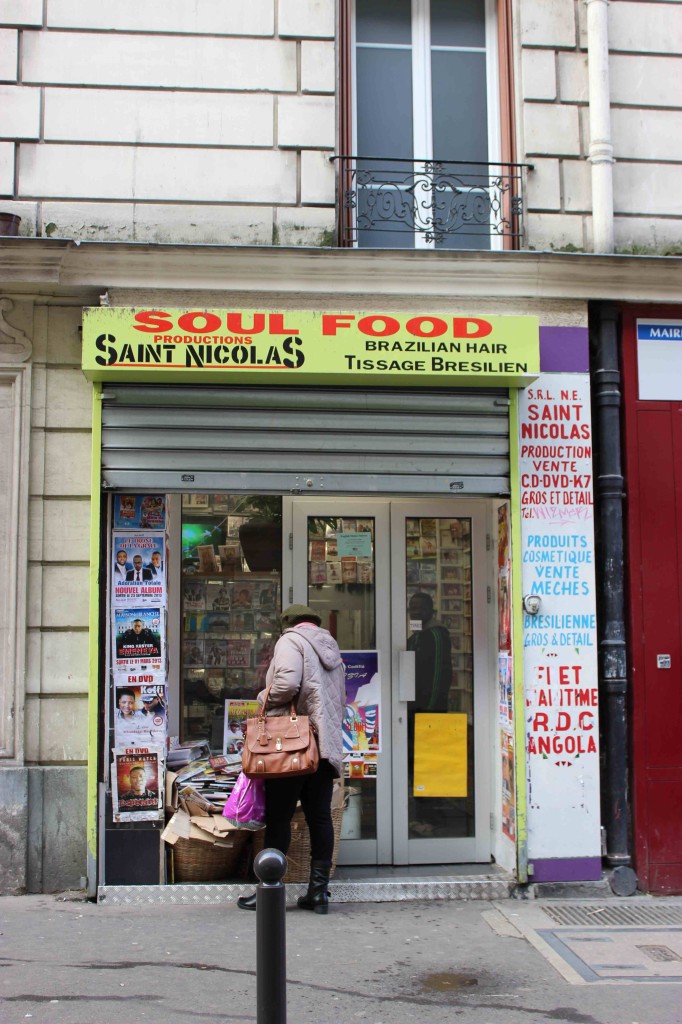
The multi-ethnic character of Goutte d’Or, Chapelle and Flandres is visible in the shops and restaurants located in these neighbourhoods. Some of the businesses (e.g. marché Dejean in Goutte d’Or), attract clientele from outside the area, contributing to its process of gentrification.
-
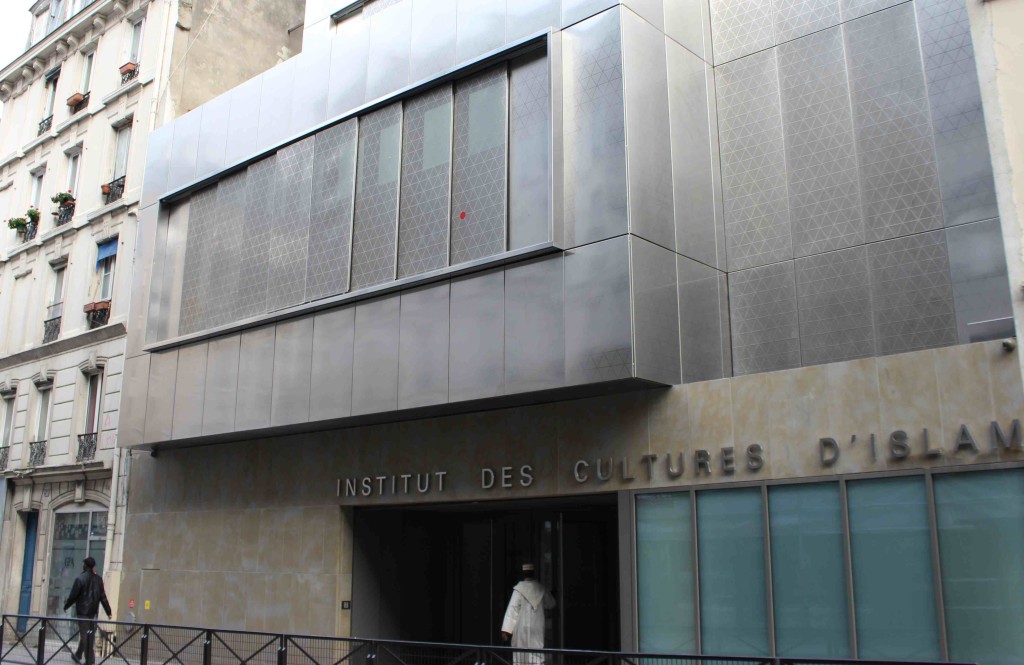
- The Islamic Culture Center opened in November 2013 in the Goutte d’Or neigbourhood (18th) with exhibition spaces and a prayer room. © 2014 Angeline Escafré-Dublet & Utrecht University. All rights reserved.
-

- The historic Dejean Market is located in Goutte d’Or (18th) and is open daiily. © 2014 Angeline Escafré-Dublet & Utrecht University. All rights reserved.

-
- Selling and producing music in Goutte d’Or (18th). © 2014 Angeline Escafré-Dublet & Utrecht University. All rights reserved.
-
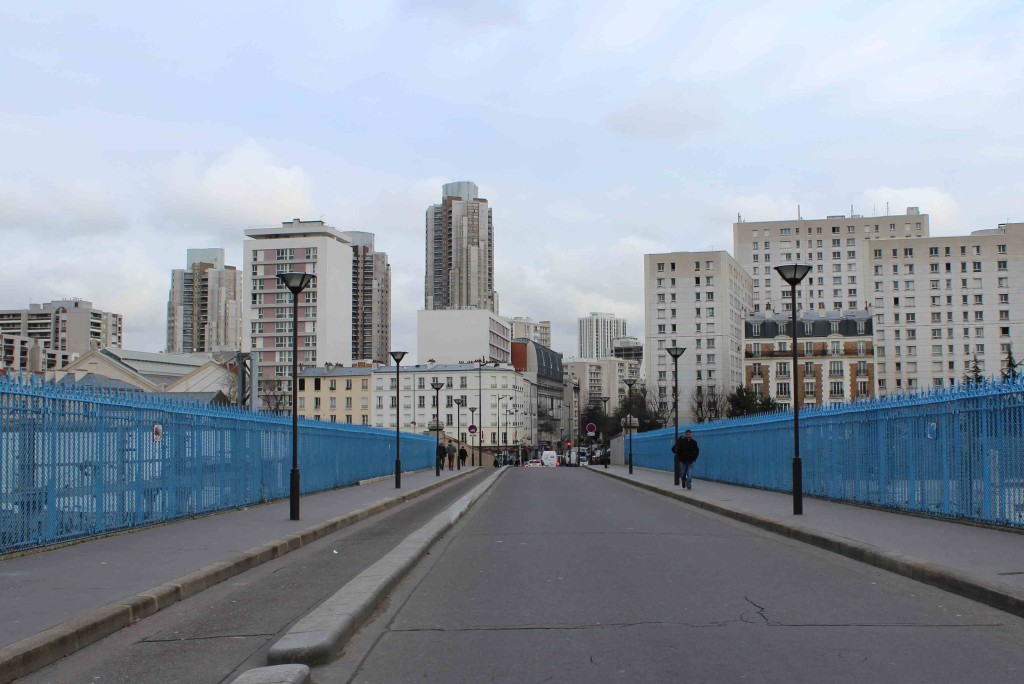
- The 19th district: a mixture of 19th century buildings and housing projects from the 1960s and 1970s. © 2014 Angeline Escafré-Dublet & Utrecht University. All rights reserved.
-
- In the lobby of the 104, a Cultural Center opened by the City of Paris (19th). © 2014 Angeline Escafré-Dublet & Utrecht University. All rights reserved.
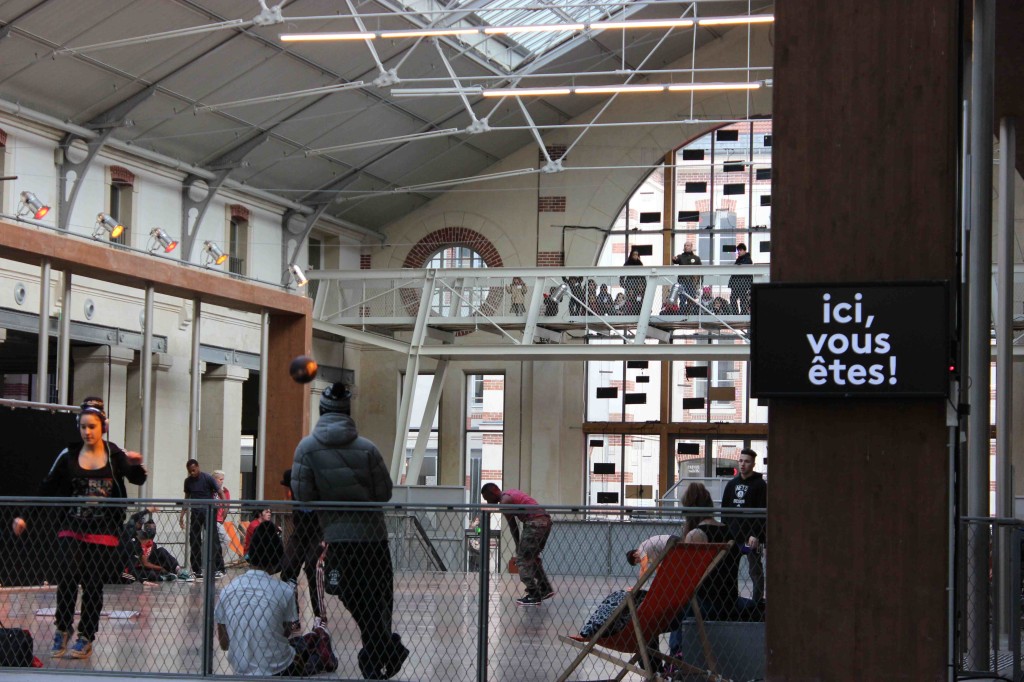
-
- The Chapelle neighbourhood (19th). © 2014 Angeline Escafré-Dublet & Utrecht University. All rights reserved.
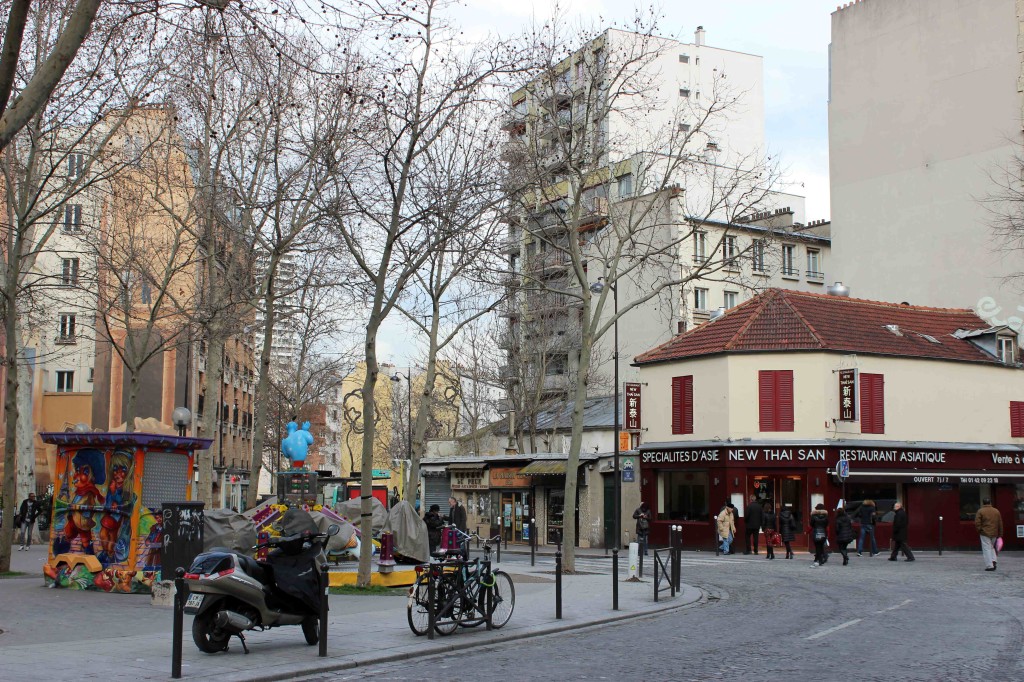
-
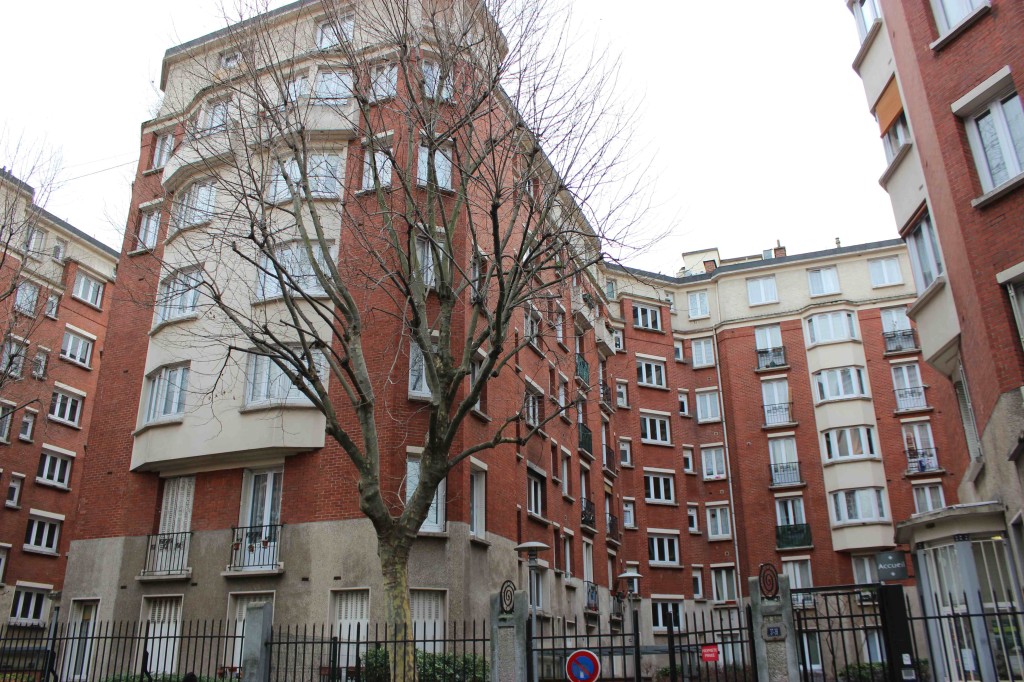
- Housing projects built in the 1930s and 1950s (19th). © 2014 Angeline Escafré-Dublet & Utrecht University. All rights reserved.
-
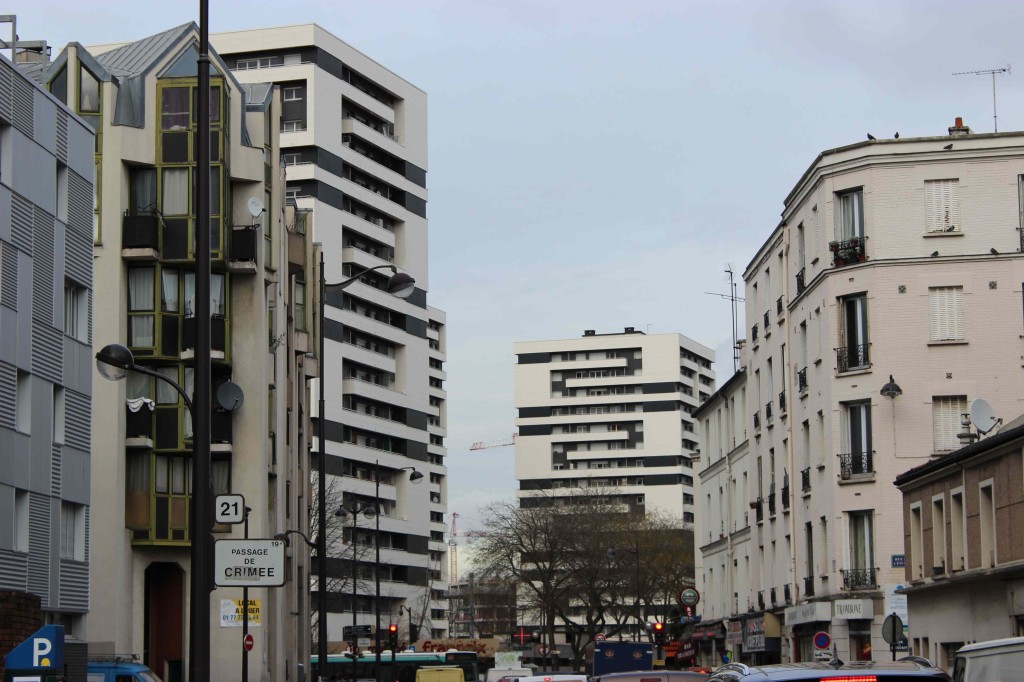
- Housing projects built in the 1970s, recently renovated (19th). © 2014 Angeline Escafré-Dublet & Utrecht University. All rights reserved.
-
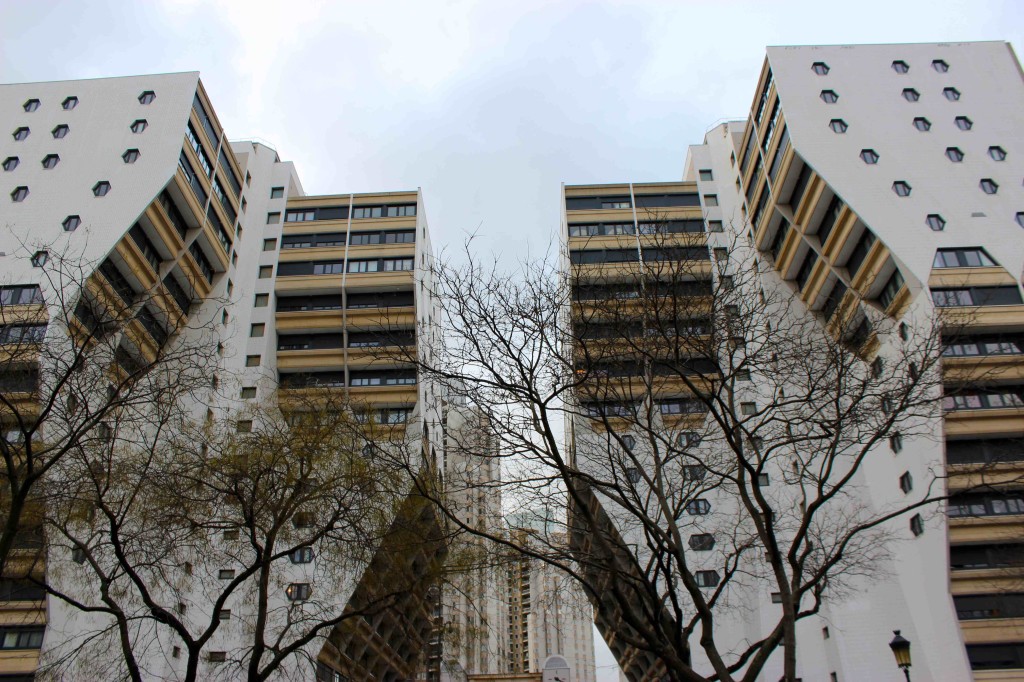
- The Orgues de Flandres, a mixed tenure development built from 1973 to 1980 (19th). © 2014 Angeline Escafré-Dublet & Utrecht University. All rights reserved.
Key Statistics: