Case study area profiles:
Antwerp – Athens – Budapest – Copenhagen – Istanbul – Leipzig – London – Milan – Paris – Rotterdam – Tallinn – Toronto – Warsaw – Zurich
ISTANBUL
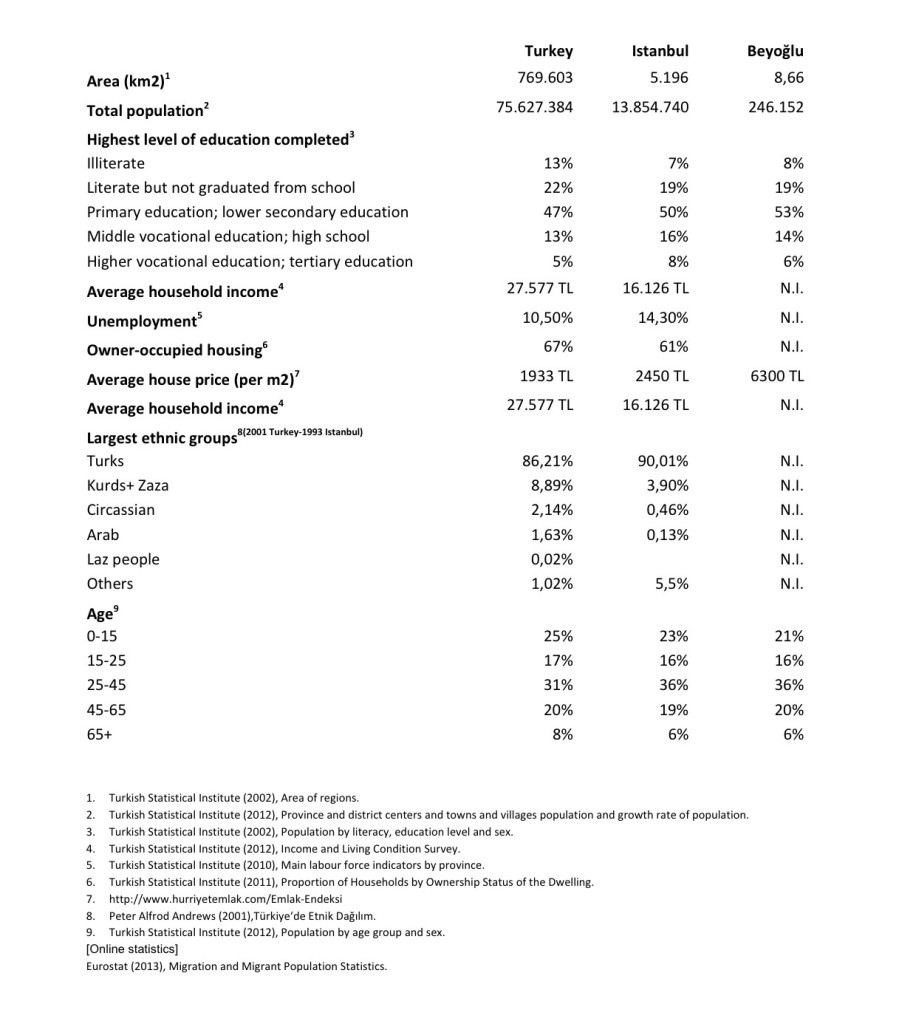
Istanbul is the largest city in Turkey, constituting the country’s economic, cultural, and historical heart with a population of 13.9 million (TSI, 2012). Its commercial and historical centre lies in Europe, while a third of its population live in Asia (TSI, 2012).
For nearly sixteen centuries following its re-establishment as Constantinople in 330 AD, it served as the capital of four empires: the Roman, Byzantine, Latin and Ottoman Empire (Çelik, 1993). Istanbul was the stronghold of Christianity during Roman and Byzantine times, before the Ottomans conquered the city in 1453 and transformed it into an Islamic one (Masters and Agoston, 2009).
Istanbul has been a cosmopolitan city throughout its history, but it became more homogenised after the end of the Ottoman Empire. Still, most of Turkey’s religious and ethnic minorities today remain concentrated in Istanbul. Although the Republic of Turkey established its capital in Ankara, Istanbul has always been the capital of finance, business, culture and entertainment.
Istanbul experienced rapid growth during the second half of the 20th century, with its population increasing tenfold between 1950 and 2000 (Gül, 2012). The remarkable growth was, and still is, largely fuelled by migrants from eastern Turkey seeking employment and improved living conditions. Istanbul’s foreign population, by comparison, is very small, amounting to just 42,228 residents in 2007 (Kamp, 2010).
Beyoğlu is one of the most distinctive residential and recreational areas of the historical centre of Istanbul, mostly known as the area centred on İstiklal Street from Taksim to Tünel (Ergun, 2004). The district is comprised of 45 neighbourhoods encompassing its famous quarters located on the north of the Golden Horn.
During the 19th century, Beyoğlu was the place of the European populations (French, Germans, Italians, British, etc.) and of non-Muslim Ottoman citizens (Greeks, Armenians, and Jews) (Saybaşılı, 2006). The district was renowned for its cosmopolitan atmosphere and its ethnic, linguistic, religious, historical and cultural diversity. Although it has lost some of its commercial and business functions in the last decades and the profile of its residents have changed substantially, for centuries the district has remained an important centre with its commerce and business capacities, entertainment facilities, recreational environment and diverse population. In recent years, Beyoğlu is mostly associated with cultural events, art and entertainment that are enjoyed by its young population.
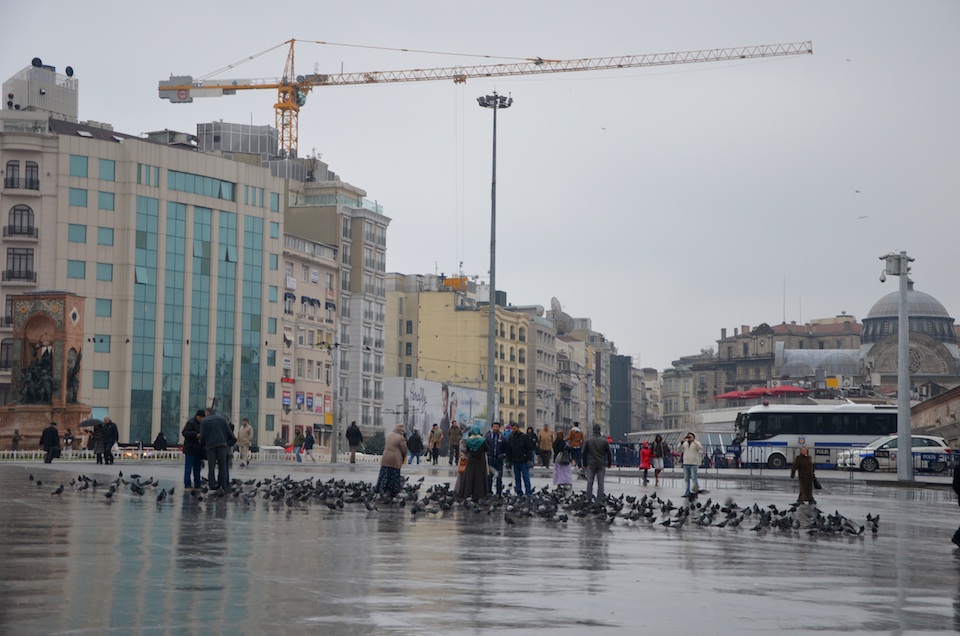
Today, it has a very mixed demographic structure, including poor communities, immigrants mainly from eastern and south eastern regions, the creative-professional middle classes, Gypsies, Kurds, foreign immigrants such as Afghan, African Iranian and other communities, Romanians, Bulgarians and Russians. However, the diverse population profile of Beyoğlu has been gradually changing with urban renewal, gentrification projects (Galata, Cihangir, Tarlabaşı etc.) and transformation processes such as the pedestrianisation of Taksim Square (Aksoy and Robins, 2011).
-
- Taksim Square. © 2014 Melissa Lee & Utrecht University. All rights reserved.
-
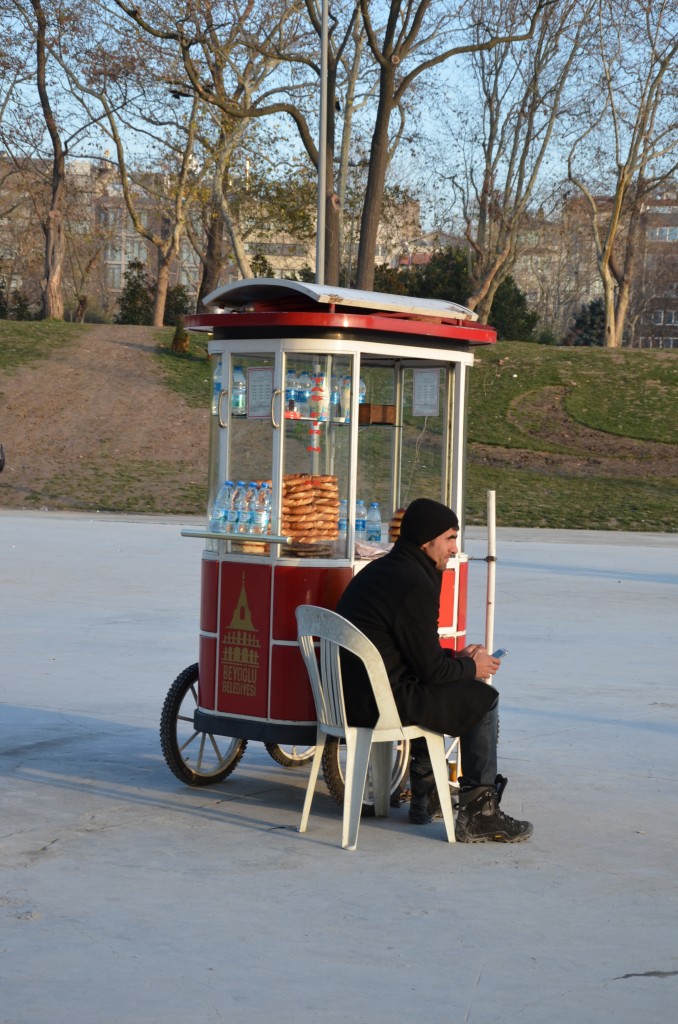
- Taksim Square. © 2014 Melissa Lee & Utrecht University. All rights reserved.
-
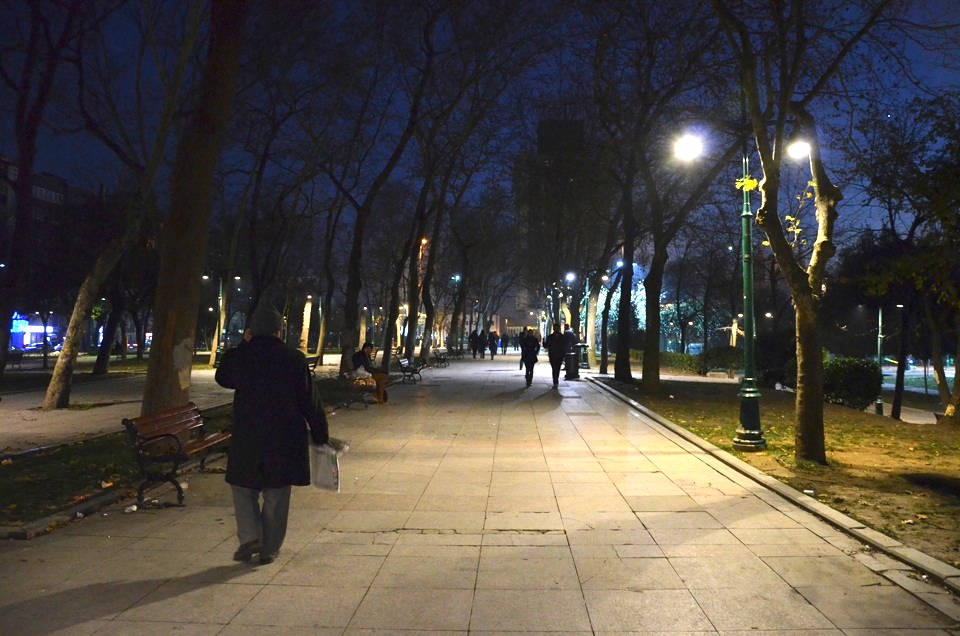
- Gezi Park. © 2014 Melissa Lee & Utrecht University. All rights reserved.
-

- Gezi Park. © 2014 Melissa Lee & Utrecht University. All rights reserved.
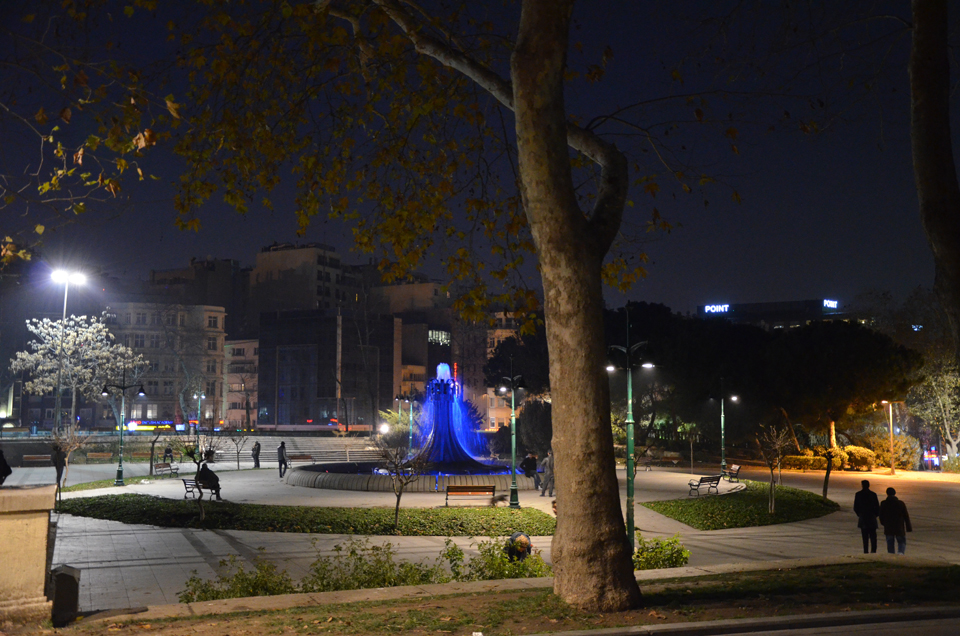
-
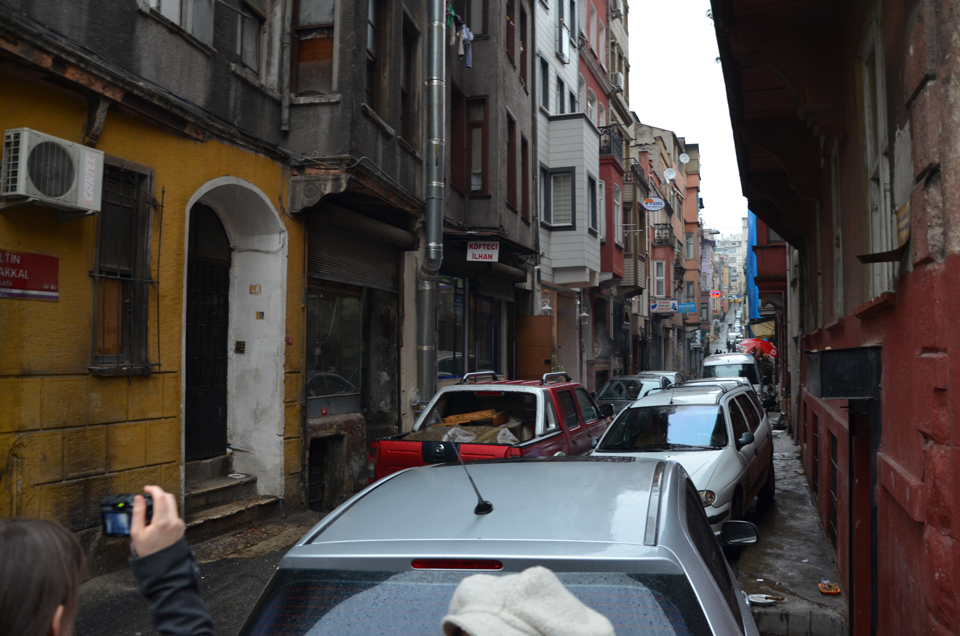
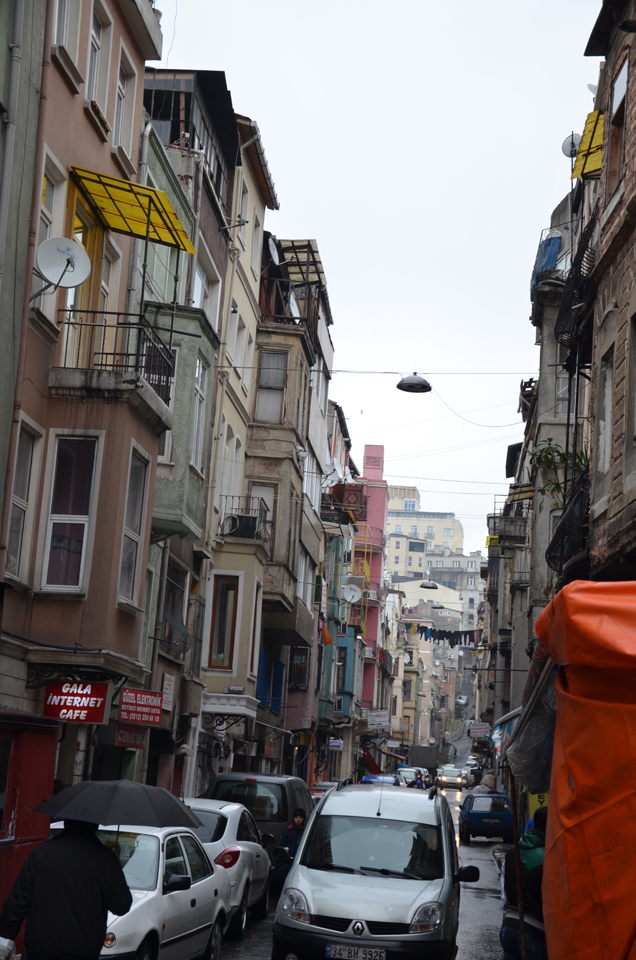
- Tarlabaşı, a neighbourhood in the Beyoğlu district was declared a regeneration area by the government in 2006. © 2014 Melissa Lee & Utrecht University. All rights reserved.
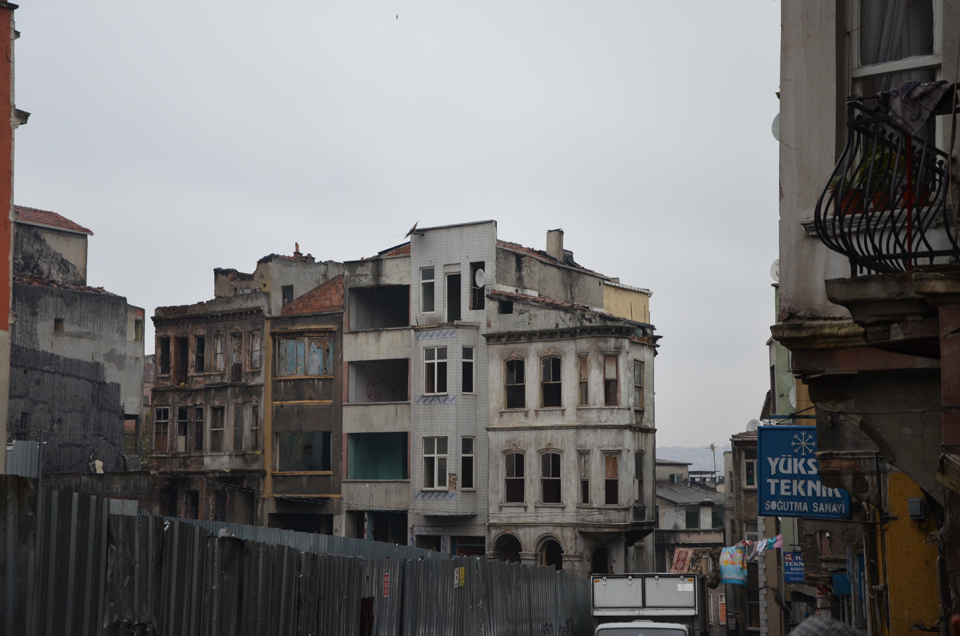
-
- Tarlabaşı, a neighbourhood in the Beyoğlu district was declared a regeneration area by the government in 2006. © 2014 Melissa Lee & Utrecht University. All rights reserved.
-

- Tarlabaşı, a neighbourhood in the Beyoğlu district was declared a regeneration area by the government in 2006. © 2014 Melissa Lee & Utrecht University. All rights reserved.
-
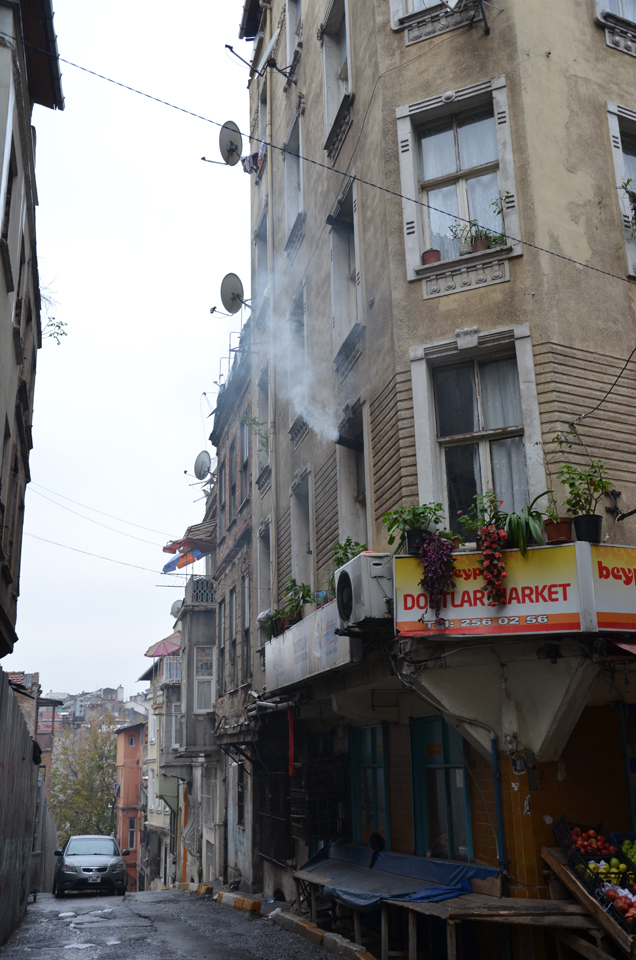
- Tarlabaşı, a neighbourhood in the Beyoğlu district was declared a regeneration area by the government in 2006. © 2014 Melissa Lee & Utrecht University. All rights reserved.
Key Statistics: